

When it comes to the world of brewing, the choice of filter plays a pivotal role in determining the quality, flavor, and clarity of the final product. As a reputable brewing filter supplier, we understand the significance of this decision and are here to shed light on the difference between fine and coarse brewing filters.
Understanding the Basics
Brewing filters are essential components used in various brewing processes, including coffee, tea, beer, and wine production. Their primary function is to separate solids from liquids, allowing only the desired liquid to pass through while retaining unwanted particles such as grounds, sediment, and impurities. The two main types of brewing filters commonly used are fine and coarse filters, each with its unique characteristics and applications.
Fine Brewing Filters
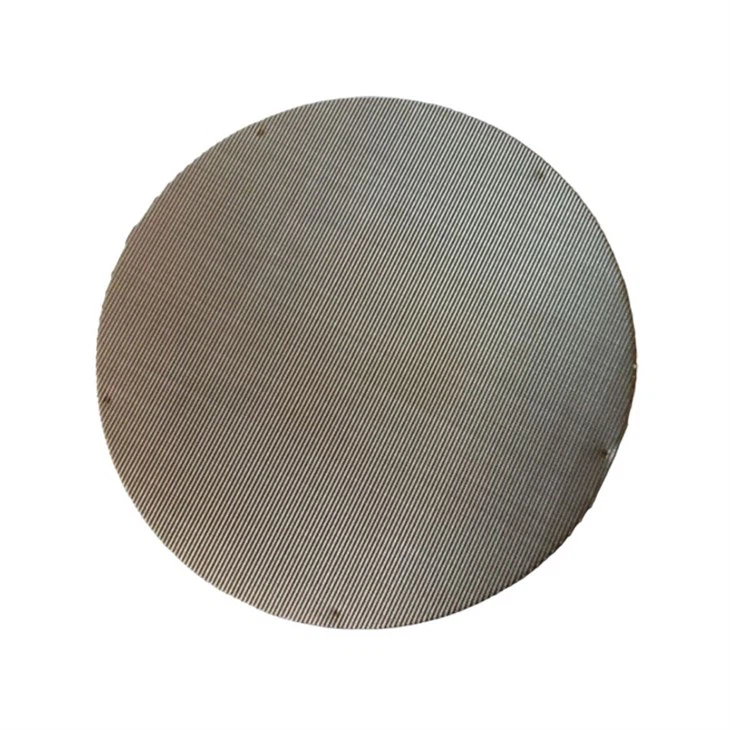
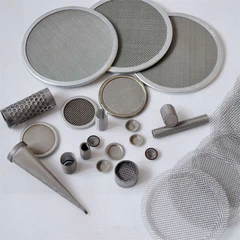
Fine brewing filters are designed to provide a high level of filtration, capturing even the smallest particles. They are typically made from materials such as paper, cloth, or fine mesh screens, which have small pores or openings that allow only liquids to pass through. The fine mesh structure effectively traps particles like coffee grounds, tea leaves, yeast, and sediment, resulting in a clearer and smoother beverage.
One of the key advantages of fine brewing filters is their ability to produce a beverage with minimal sediment and a cleaner taste. This is particularly important in applications where clarity and purity are highly valued, such as in specialty coffee brewing or the production of clear wines and spirits. Fine filters also help to prevent clogging in brewing equipment, ensuring a consistent flow rate and optimal brewing performance.
However, fine brewing filters may have some limitations. Due to their small pores, they can restrict the flow of liquid, which may result in a slower brewing process. Additionally, fine filters may require more frequent replacement or cleaning to prevent clogging, especially when used with high - sediment materials.
Coarse Brewing Filters
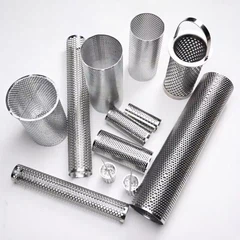
Coarse brewing filters, on the other hand, have larger pores or openings compared to fine filters. They are typically made from materials like coarse mesh, fabric, or perforated metal. Coarse filters are designed to remove larger particles such as large coffee grounds, tea stems, and debris from the brewing liquid.
The main advantage of coarse brewing filters is their ability to allow a faster flow of liquid through the filter. This makes them suitable for applications where a quick brewing process is required, such as in commercial brewing operations or large - scale tea and coffee production. Coarse filters are also more resistant to clogging, as they can handle larger particles without getting blocked easily.
However, coarse brewing filters do not provide the same level of filtration as fine filters. As a result, the final beverage may contain some small particles or sediment, which can affect the clarity and taste to some extent. Coarse filters are often used as a pre - filter in combination with fine filters to remove larger particles first, followed by a finer filtration step to achieve the desired level of purity.
Applications in Different Brewing Processes
Coffee Brewing
In coffee brewing, the choice between a fine and coarse filter depends on the brewing method and personal preference. For methods like pour - over and espresso brewing, where a clean and sediment - free cup of coffee is desired, fine paper or mesh filters are commonly used. These filters can effectively remove the fine coffee grounds, resulting in a clear and flavorful coffee. On the other hand, for methods like French press or cold brew, coarse filters are preferred as they allow more of the coffee's natural oils and flavors to pass through, creating a richer and more full - bodied coffee.
Tea Brewing
Tea brewing also benefits from the appropriate choice of filter. Fine filters are ideal for loose - leaf tea brewing when a clear and smooth cup of tea is desired. They can remove tea leaves, dust, and other impurities, resulting in a more refined tea experience. Coarse filters, such as tea infusers with a mesh structure, are suitable for larger tea leaves or tea blends that require a more robust flavor extraction.
Beer and Wine Production
In the production of beer and wine, both fine and coarse filters are used at different stages of the brewing process. Coarse filters are often used in the initial stages to remove large particles such as hop debris, yeast clumps, and sediment. This helps to prevent blockages in the brewing equipment and allows for a smoother fermentation process. Fine filters are then used during the later stages of production, such as before bottling, to achieve a clear and bright appearance and to remove any remaining yeast, bacteria, or fine particles.
Our Product Offerings
As a leading brewing filter supplier, we offer a wide range of both fine and coarse brewing filters to meet the diverse needs of our customers. Our filters are made from high - quality materials and are designed to provide excellent filtration performance and durability.