

Is copper wire mesh magnetic? This is a question that often intrigues both professionals in the industry and individuals with a general interest in materials. As a seasoned supplier of copper wire mesh, I've encountered this query numerous times. In this blog post, I'll delve into the scientific aspects of copper wire mesh and its magnetic properties, share industry insights, and provide practical information for those considering using or purchasing copper wire mesh.
Understanding Copper's Fundamental Properties
Copper, chemically known as Cu, has an atomic number of 29. It is a well - known metal with excellent electrical and thermal conductivity, and it is widely used in various industries. From electrical wiring to plumbing systems, copper's versatility is remarkable.
To determine if copper wire mesh is magnetic, we first need to understand the basic principles of magnetism. There are three main types of magnetic materials: ferromagnetic, paramagnetic, and diamagnetic. Ferromagnetic materials, like iron, nickel, and cobalt, are strongly attracted to magnets and can be magnetized themselves. Paramagnetic materials are weakly attracted to magnetic fields, and diamagnetic materials are weakly repelled by magnetic fields.
Copper is a diamagnetic material. This means that it has a very weak magnetic response, and it is basically repelled by a magnetic field. When a copper wire mesh is placed in a magnetic field, the magnetic dipoles within the copper atoms align in such a way that they create a small magnetic field that opposes the applied magnetic field. This opposition results in a very weak repulsive force.
The Structure of Copper Wire Mesh
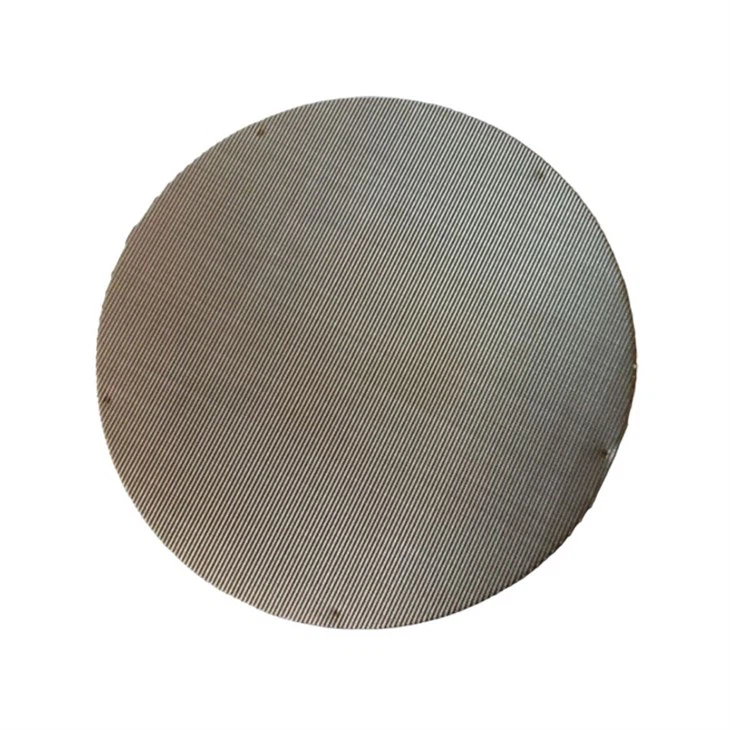
Copper wire mesh is made by weaving or welding copper wires together to form a grid - like structure. The wire diameter, mesh size, and the way the wires are joined can vary depending on the application.
The manufacturing process of copper wire mesh does not change the fundamental magnetic properties of copper. Whether it is a fine - mesh copper screen used in filtration or a heavy - duty copper wire mesh for industrial shielding, the copper wires retain their diamagnetic nature. The mesh structure itself does not introduce any magnetic elements. The spaces between the wires and the way they are arranged do not affect the overall magnetic behavior of the copper material.
Applications and the Role of Non - Magnetism
The non - magnetic property of copper wire mesh is highly beneficial in many applications. In the electronics industry, copper wire mesh is often used for electromagnetic shielding. Since it is non - magnetic, it does not interfere with the magnetic fields generated by electronic components. For example, in a computer or a mobile device, copper wire mesh can be used to prevent electromagnetic interference (EMI) from the internal components from radiating out and causing problems with other nearby devices.
In the medical field, non - magnetic materials are crucial. Copper wire mesh can be used in medical devices where magnetic interference can disrupt the accurate functioning of the equipment. For instance, in MRI (Magnetic Resonance Imaging) machines, non - magnetic materials like copper wire mesh are used in the construction of the shielding components to ensure that the strong magnetic fields of the MRI do not interact with unwanted magnetic elements.
Comparing with Other Wire Meshes
It's interesting to compare copper wire mesh with other types of wire meshes in terms of magnetic properties. For example, Inconel Wire Mesh. Inconel is an alloy that contains nickel, which is a ferromagnetic material. As a result, Inconel wire mesh can have magnetic properties, and it may be attracted to magnets. This magnetic behavior can be both an advantage and a disadvantage depending on the application. In some industrial processes where magnetic separation is required, Inconel wire mesh can be useful. However, in applications where non - magnetic materials are needed, it would not be suitable.
Duplex Wire Mesh is another example. Duplex stainless steel alloys typically contain a combination of austenitic and ferritic phases. The ferritic phase can make the duplex wire mesh ferromagnetic to some extent. It has different magnetic characteristics compared to the non - magnetic copper wire mesh.
Hastelloy Wire Mesh is an alloy known for its corrosion resistance. The magnetic properties of Hastelloy wire mesh depend on its exact composition. Some Hastelloy alloys can have a small amount of ferromagnetic elements, which may result in a weak magnetic response.
Practical Considerations When Using Copper Wire Mesh
If you are planning to use copper wire mesh in an application where magnetic properties are a concern, here are some practical tips. First, make sure that the copper wire mesh is made from pure copper or a copper alloy with minimal magnetic elements. Some low - grade copper alloys may contain small amounts of iron or other magnetic substances, which can affect the overall magnetic behavior.
When handling copper wire mesh, it is important to keep it away from strong magnetic sources. Although the repulsive force of copper's diamagnetism is weak, a very strong magnetic field can still cause some unwanted effects, such as minor deformation or misalignment of the mesh structure.
The Significance for Our Customers
As a copper wire mesh supplier, understanding these magnetic properties is essential for us to provide the best products and advice to our customers. Whether you are in the electronics, medical, or any other industry that requires non - magnetic materials, we can ensure that our copper wire mesh meets your specific requirements.
We offer a wide range of copper wire mesh products, with different wire diameters, mesh sizes, and weaves. Our team of experts can help you select the most suitable copper wire mesh for your application based on your needs, including the consideration of magnetic properties.