
Extruder Screens
YONGLV WIRE MESH : Your Professional Extruder Screens Manufacturer !
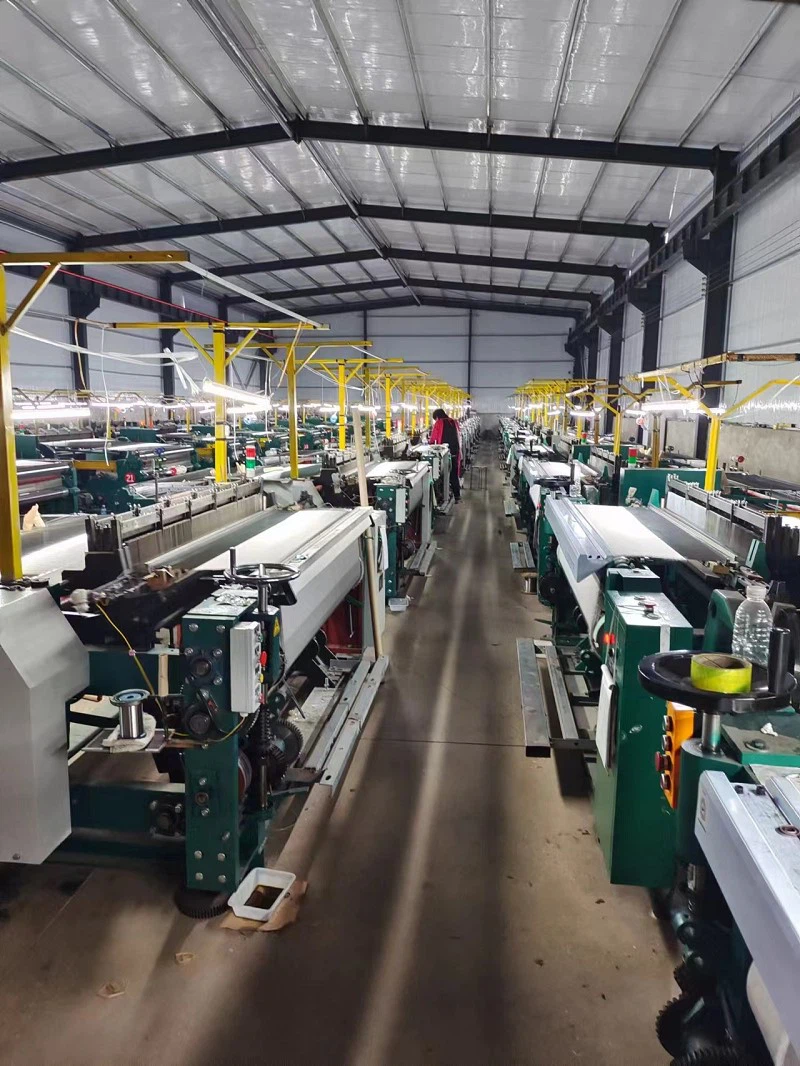
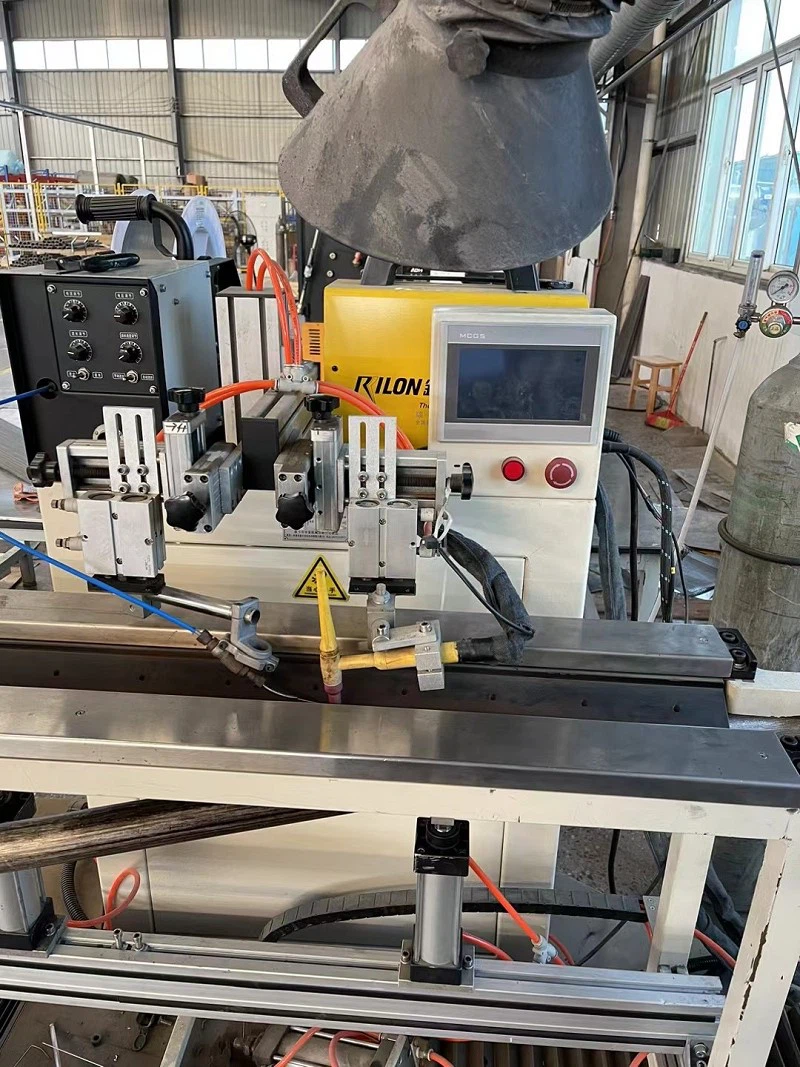
Our company has a development history of more than 10 years, and the factory covers an area of 2,500 square meters. We have 50 fully CNC wire mesh knitting machines and more than 20 CNC filter manufacturing machines including multiple filter welding equipment, with an annual output value of US$10 million. Our products can be exported to nearly 20 countries.
Complete Equipment
With a factory covering an area of 2500 square meters. We have 50 fully CNC wire
mesh weaving machines and more than 20 CNC filter manufacturing machines include
multiple filter welding equipment.
Rich Experience
We have 50 fully CNC wire mesh knitting machines and more than 20 CNC filter
manufacturing machines including multiple filter welding equipment, with an
annual
output value of US$10 million and exported to nearly 20 countries.
Rich Products
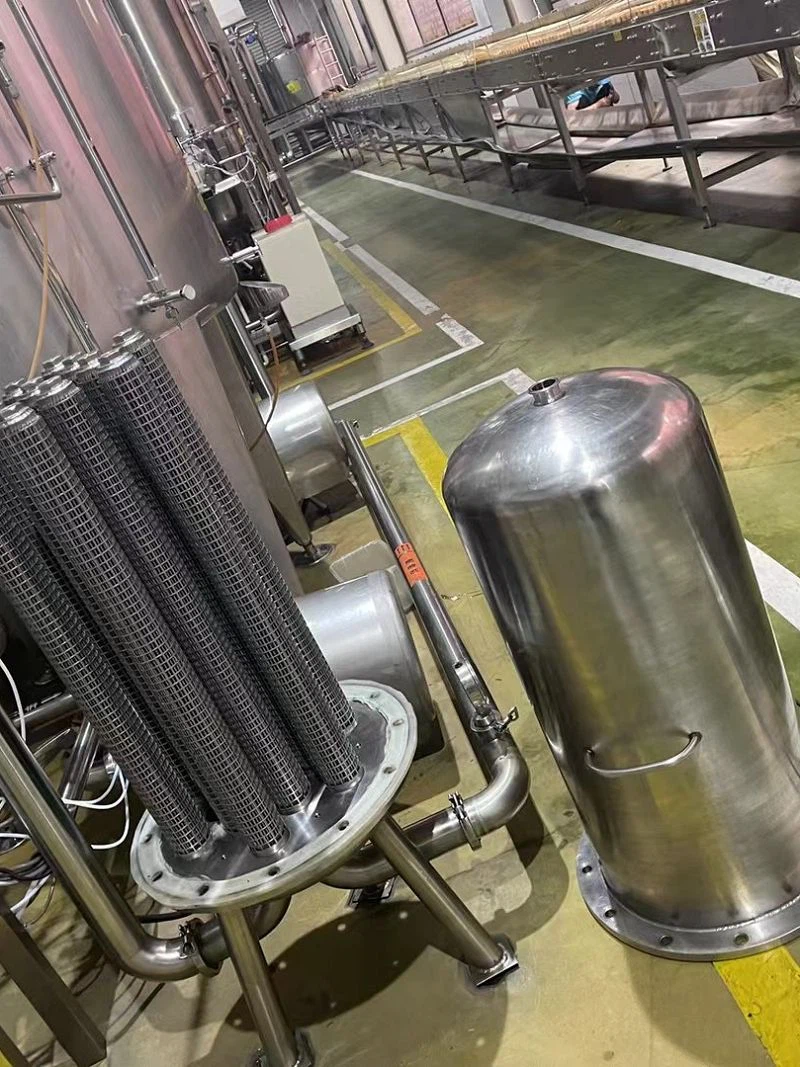
Our company can produce high-quality stainless steel sintered filters,
perforated
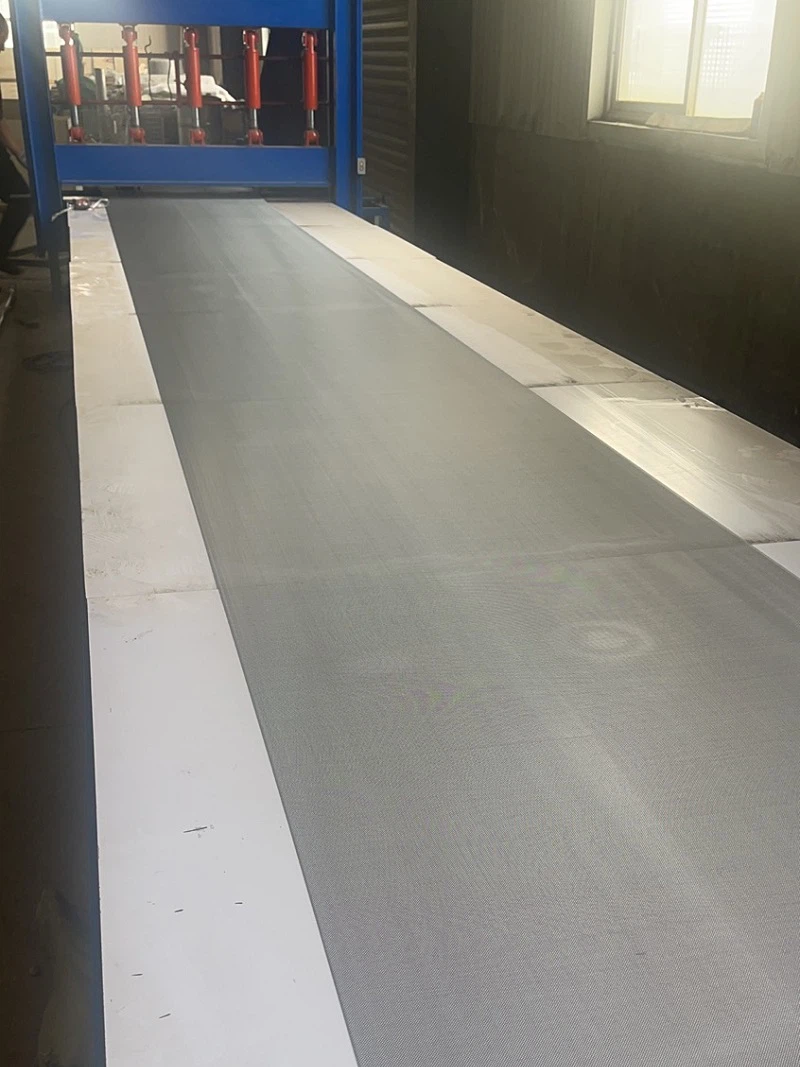
filters, wire mesh filter tubes, barbecue mesh, perforated smoke tubes, 304
stainless steel wire mesh, 316 stainless steel wire mesh, etc.
Products Widely Used
The products produced by our company can be widely used in PET bottle recycling,
PET
sheet manufacturing, spunbond non-woven fabric manufacturing, plastic recycling,
polyester oriented yarn, fully drawn yarn, staple fiber yarn and solid and
liquid
filtration systems.


What is Extruder Screen?
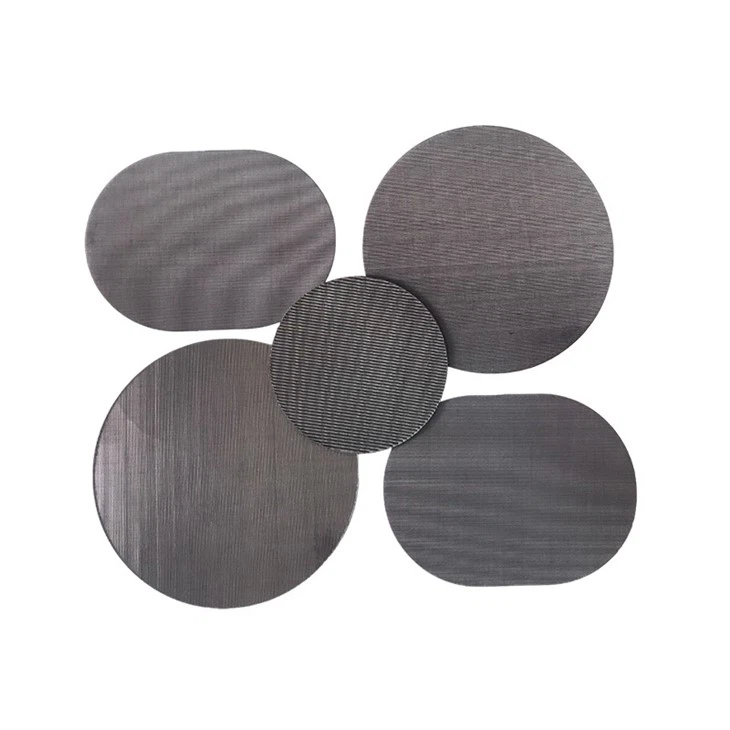
An extruder screen, commonly referred to as a screen pack, is a woven wire filtration system that is formed to filter all contaminants out of the melted plastic. Extruder screens are a necessity for any extruder of polymer or plastic. Extruder screens are available in both single-layer and multi-layer configurations, and both configurations can be made into specific shapes and sizes. In case of the multi-layer configurations, extruder screens are multi-layer wire filtration systems that are welded together and made into specific shapes and sizes.
Features of Extruder Screen
Extended Equipment Life
The protection provided by extruder screens extends the life of the extruder machine. With less wear and tear, the need for costly repairs and replacements is reduced.
Reduced Downtime
Minimizing downtime is critical in many manufacturing operations. Extruder screens help by preventing clogs and breakdowns, ensuring a smooth and efficient production process.
Improved Product Quality
By preventing impurities from entering the extrusion process, extruder screens contribute to a significant improvement in product quality. The final products are cleaner, more consistent, and meet the desired specifications.
High Filtration Efficiency
Extruder screens are designed to effectively remove contaminants, impurities, and foreign particles from the melt stream during the extrusion process. They ensure a clean and homogenous melt, resulting in improved product quality and consistency.
Screen
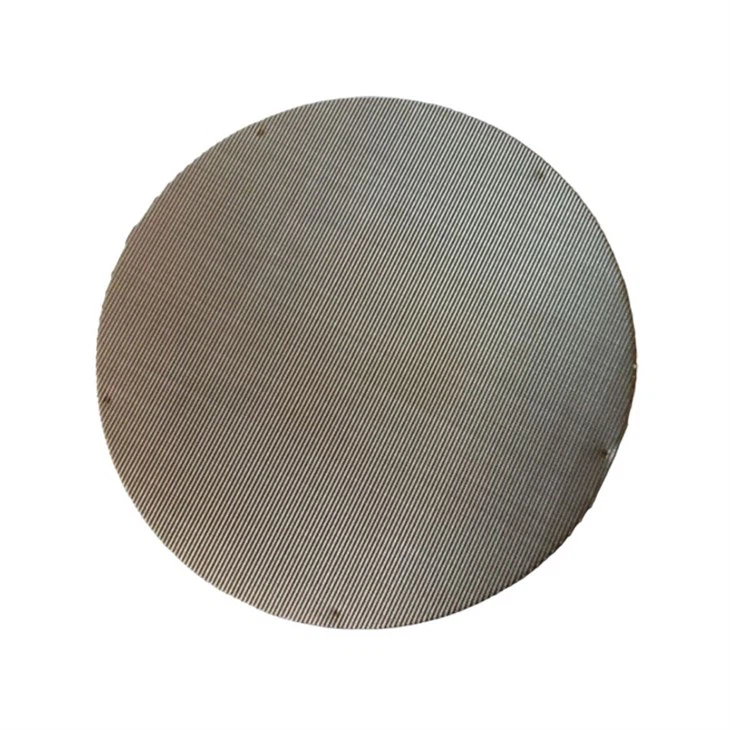
The extruder mesh screen is the most important component of the extruder screen
pack. It is a circular piece of woven metal wire mesh that is designed to filter
out impurities and contaminants from the plastic material during the extrusion
process. The extruder filter screen can be made from various materials, such as
stainless steel or nickel mesh, and comes in different mesh sizes.
Retainer Ring
The retainer ring is a circular metal ring that holds the screen in place within
the extruder filter screen pack assembly. It is typically made from stainless
steel or another durable metal.
Housing
The housing is the outer casing of the pack assembly. It is designed to hold the screen and other components in place and can be made from various materials, such as steel or aluminum.
Adapters
Adapters are components that allow the screen pack assembly to be connected to the extruder barrel. They are typically made from steel or aluminum and can be designed to fit different barrel sizes and configurations.
Seals
Seals are components that are used to ensure a tight seal between the screen pack assembly and the extruder barrel. They can be made from various materials, such as rubber or silicone, and are critical in preventing leaks or contamination.
Types Of Extruder Screen
Plate and Barrier Screens
These are among the most widely used screen packs, consisting of alternating plates and barrier bars. The barrier bars are designed to increase the shear on the polymer, providing a finer filtration. The number of plates and barrier bars can vary depending on the required level of filtration and the material being processed.
Porous Plate Screens
Porous plate screens are made from metal with pre-drilled holes. They offer a simple and cost-effective solution for filtration, but they may not be as effective at high pressures or when dealing with fine contaminants.
Wedge Wire Screens
These screens consist of metal wires twisted together to form a wedge-shaped pattern. Wedge wire screens are highly durable and can handle high temperatures and pressures, making them suitable for demanding extrusion processes.
Conical Screens
Conical screens have a tapered shape, which allows for a gradual increase in pressure as the melt passes through. This design helps to prevent screen rupture and can extend the life of the screen pack.
Cylindrical Screen Packs
Also known as barrel screens, these are cylindrical in shape and are often used in conjunction with other screen types to achieve the desired level of filtration.
Rotating Drum Screens
These are large screens that rotate to clean themselves during operation, which helps to maintain filtration efficiency over time.
Diamond Stack Screens
A diamond stack consists of multiple layers of screens arranged in a way that resembles a stack of diamonds. Each layer has progressively smaller openings to provide a multi-stage filtration process.
Single Screen
In some cases, a single screen may be used instead of a screen pack if the material does not require a high degree of filtration or if the process cannot accommodate the additional pressure drop of a screen pack.
Process Of Extruder Screen
Wire Selection
The first step is to select the best quality woven wire mesh for the screen.
The wire can be made from various materials, such as stainless steel,
nickel, or copper, and comes in different gauges and diameters.
Weaving
The selected wire is then woven into a mesh screen which are available in
different weave patterns and mesh count.
Cutting and Shaping
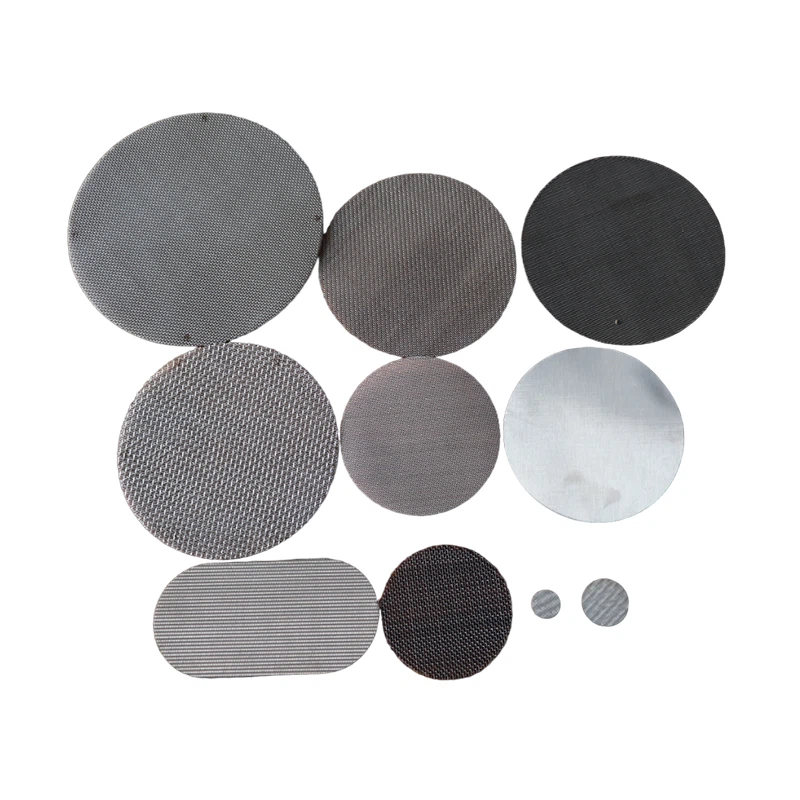
Once the woven mesh screen is complete, it is cut and shaped to the desired size and shape. The screen can be circular, rectangular, or any other shape depending on the specific application and requirements.
Cleaning and Inspection
The extruder mesh screen is then cleaned and inspected to ensure that it is free from defects and meets the required specifications.
Assembly
The screen is assembled into a screen pack assembly, which includes the retainer ring, housing, and other components. The assembly process can be done manually or with the help of machines.
Testing
The final step is to test the screen pack assembly to ensure that it meets the required specifications and is functioning properly.
How to Choose Extruder Screen
Material Type
Different materials have different particle sizes, and therefore require
different mesh sizes for effective filtration. For example, a coarse mesh
size may be suitable for processing materials with larger particles, while a
fine mesh size may be necessary for processing materials with smaller
particles.
Processing Conditions
The processing conditions, such as the temperature and pressure, can affect
the particle size of the material. Higher temperatures and pressures can
result in smaller particles that require a finer mesh size for effective
filtration.
Flow Rate
The flow rate of the material through the extruder screen can also affect
the choice of mesh size. A higher flow rate may require a coarser mesh size
to prevent clogging, while a lower flow rate may allow for a finer mesh size
to be used.
Desired Product Quality
The desired quality of the final product can also influence the choice of
mesh size. A finer mesh size may be necessary to remove smaller particles
and impurities that could affect the appearance or performance of the final
product.
How to Use Extruder Screen
Prepare The Extruder
Make sure the extruder is properly set up and ready for operation. This includes checking the temperature settings, ensuring that the material is loaded correctly, and verifying that the extruder screw is properly aligned.
Install The Extruder Screen
Locate the screen pack or screen changer assembly on your extruder. This is the part that holds the extruder screen. Depending on the extruder design, you may need to remove a cover or unscrew a component to access the screen area.
Choose The Appropriate Screen
Select an extruder screen with the desired mesh size. The mesh size determines the size of the openings in the screen and affects the filtration efficiency. Consider the type of material being processed and the level of filtration required when choosing the mesh size.
Clean The Screen
Before installing a new screen or reusing an existing one, clean it thoroughly to remove any residual contaminants. You can use a suitable cleaning solution or solvent recommended by the screen manufacturer. Ensure the screen is completely dry before installation.
Place the screen in the screen pack
Insert the extruder screen into the designated area of the screen pack or screen changer assembly. Follow the manufacturer's instructions for proper placement and orientation of the screen.
Secure The Screen
Once the screen is in place, secure it using the provided fasteners or locking mechanism. Ensure that the screen is tightly secured to prevent any leakage or bypass of the molten plastic.
Start The Extrusion Process
With the extruder screen properly installed, you can now start the extrusion process. Monitor the operation closely to ensure that the screen is effectively filtering out any impurities or contaminants from the molten plastic.
Regular Maintenance
Periodically inspect and clean the extruder screen to prevent clogging and maintain optimal filtration efficiency. The frequency of maintenance will depend on the specific application and the material being processed.
How to Maintain Extruder Screen
Remove Screen
Depending on the type of extruder and screen design, you may need to remove
the cover or unscrew components to access the screen area. Carefully remove
the filter from the filter pack or filter changer assembly.
Soak Screen
Prepare a cleaning solution or use a solvent recommended by the screen
manufacturer. Place the extruder screen into the cleaning solution and soak
long enough to loosen contaminants.
Scrub The Screen
Use a soft brush or non-abrasive cleaning tool to gently scrub the screen
surface. Pay attention to the mesh and remove any stubborn contaminants.
Avoid using sharp objects or abrasive materials that may damage the screen.
Flush Screen
After scrubbing, rinse the extruder screen thoroughly with clean water to
remove any remaining cleaning solution or solvent. Ensures effective removal
of all contaminants.
Dry Screen
Allow the extruder screen to dry completely before reinstalling it. Make sure there is no residual moisture on the screen as it can cause clogging or corrosion.
Visual Inspection After Cleaning
Once the screen is dry, check again to make sure it is clean and free of any residue or particles. Check the mesh for any signs of damage or deformation.
Reinstall The Filter
After the extruder filter is clean and dry, reinstall it into the filter pack or filter changer assembly. Follow the manufacturer's instructions for proper screen placement and orientation. Make sure it is securely fastened to prevent leakage or bypass of the molten plastic.
Replace Worn Or Damaged Screens
If the extruder screen is noticeably worn, damaged, or deformed during inspection, consider replacing it with a new one. Worn or damaged screens reduce filtration efficiency and can lead to defects in the final product.
Factory pictures