
According to the raw materials used, it is divided into three categories: silk screen mesh, metal wire screen mesh and synthetic fiber screen mesh.
1. Silk screen
Silk screen mesh is made of mulberry silk with different fineness according to the specifications and is woven with full hank weave, half hank weave or plain weave. The weaving method is similar to mesh cloth. When the mesh number is small, use a full skein weave; when the mesh number is large, use a half skein or plain weave. The specifications of silk screens range from 4 to 62 holes/cm. They are mostly used for screening in the grain industry and can also be used in grinding wheel emery cloth factories to screen sand of different thicknesses.
2. Wire screen
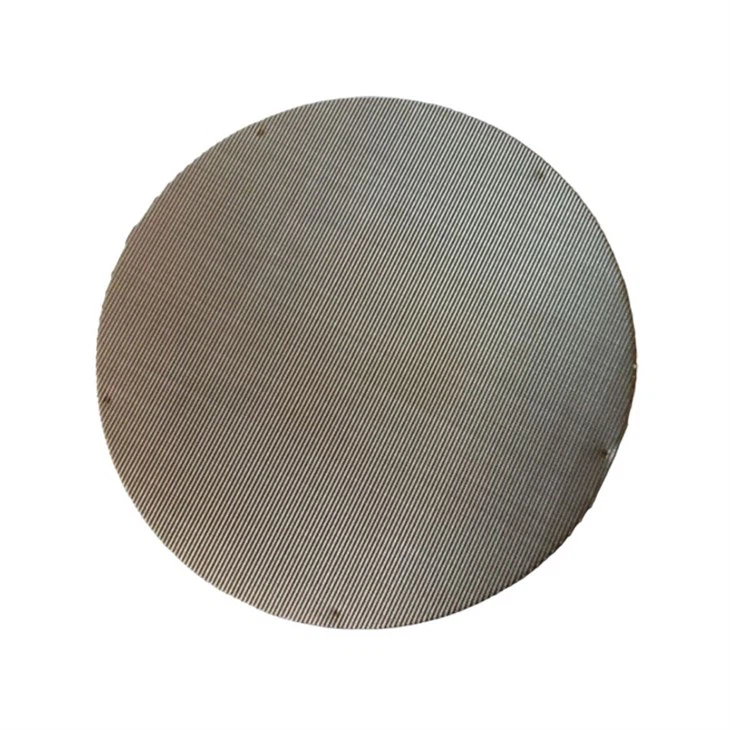
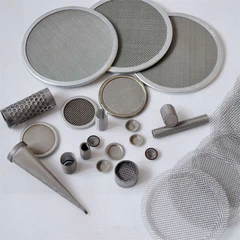
Metal screen is a mesh product made of metal wire through certain technical methods. Weaved with copper wire, stainless steel wire, iron wire and steel wire as raw materials. The diameter of the metal wire is mostly 4 to 0.025 mm. Generally, plain weave, twill weave, and mat weave methods are used. The metal screen has clear and correct holes, a flat mesh surface, and is resistant to high temperatures and wear. The stainless steel screen is also corrosion-resistant. Therefore, metal screens are mostly used for powder screening and oil filtering.
3. Synthetic fiber screen
Synthetic fiber screens are available in nylon or polyester filament and brown. The filament uses 15-30 denier monofilament, and the screen mesh surface is smooth, which is beneficial to filtration. The fabric weave can be square, flat or plain, with specifications ranging from 19 to 104 holes/cm. It is mostly used for printing silk screen and making integrated circuit printed circuit boards. It can also be used to screen finer particles such as picture tube phosphor powder and magnetic powder of magnetic tape. Brown silk screen uses thicker nylon brown silk as raw material, with a diameter of 0.55 to 0.1 mm. The fabric is mostly plain weave mat-shaped tissue and is used for mineral processing, pulp filtering, conveyor belts, etc. Synthetic fiber screens are rust-free and corrosion-resistant and can replace some metal screens.

Classification of screens
Feb 21,2026
1009
Leave a message