

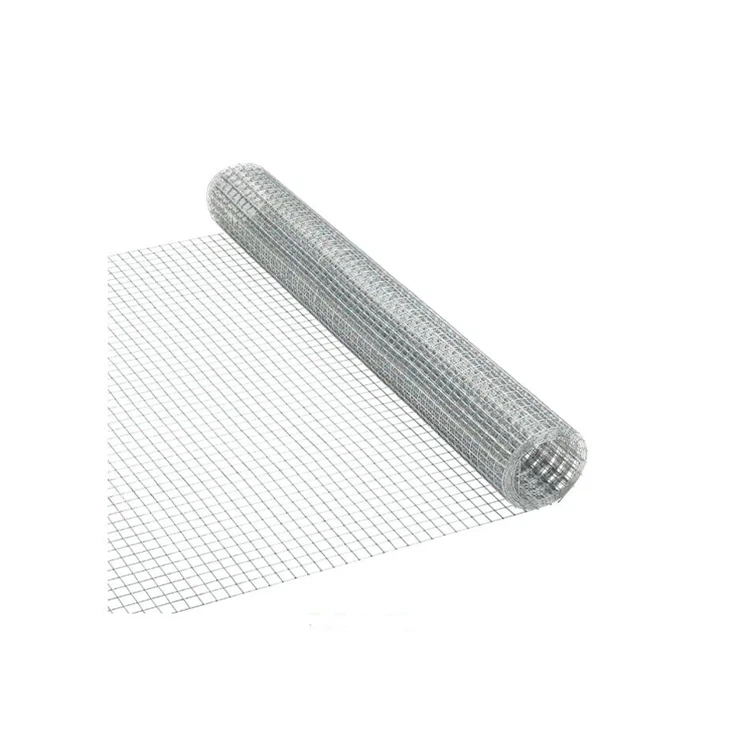
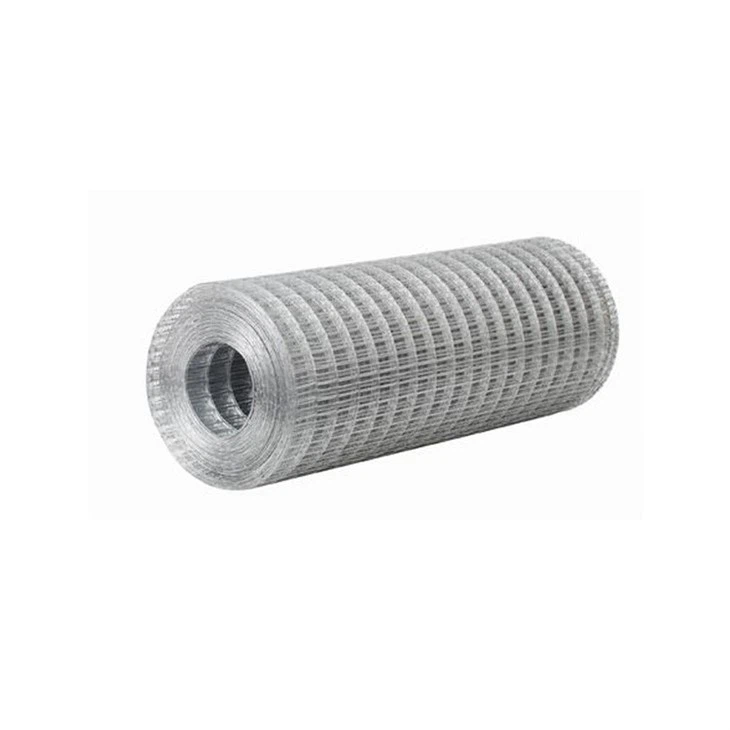
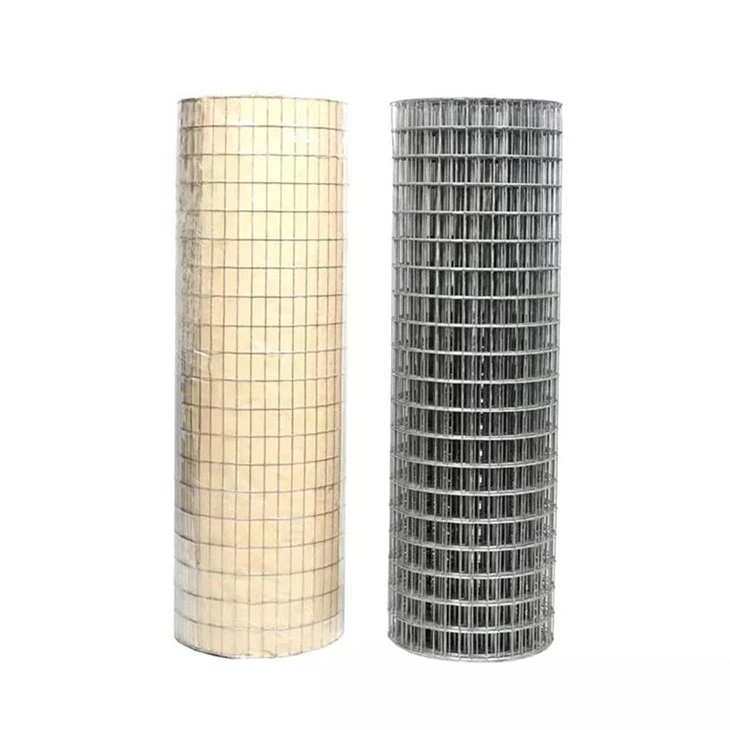
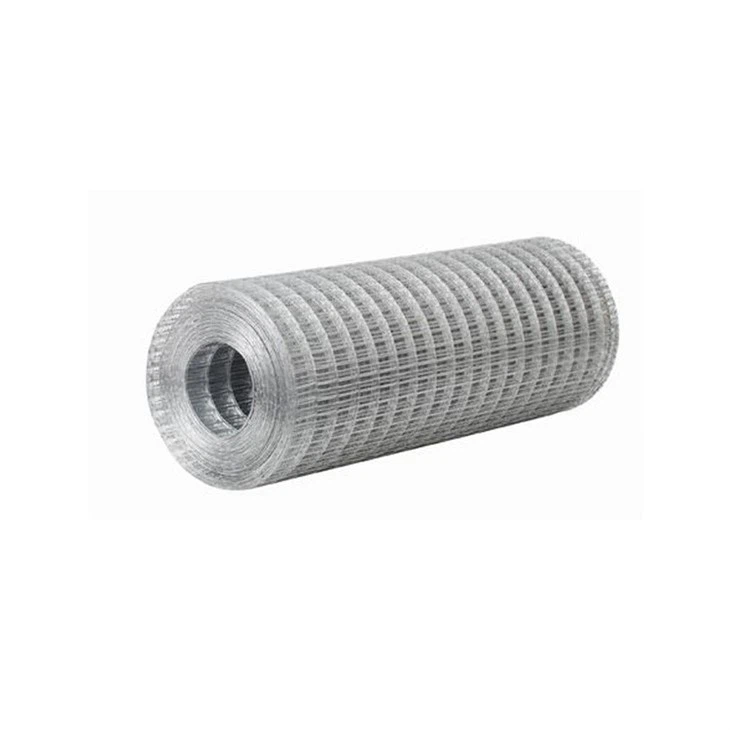
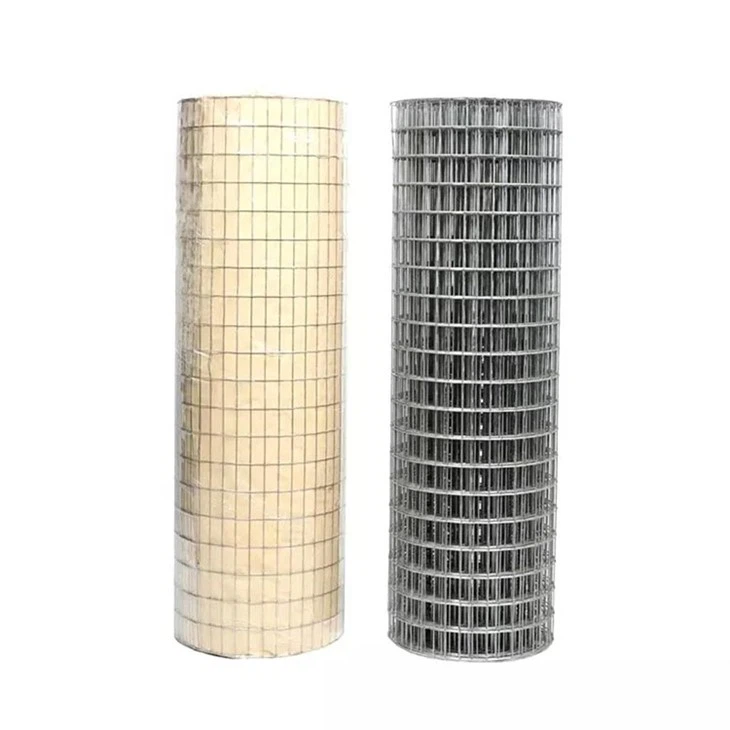
Wire mesh fence reel is a mesh fence material made of wire through a braided or welded process, usually supplied in roll form for easy transportation and installation. Its main materials include low carbon steel wire, stainless steel wire, etc., the surface can be electroplated, hot plated or PVC coating treatment to enhance rust and corrosion resistance.
 |  |
Parameter specification
| Specification | Range | Details |
|---|---|---|
| Mesh Size | 2.5cm to 15cm | Varies based on application (e.g., smaller for security, larger for agriculture). |
| Wire Diameter | 1.5mm to 5mm | Thicker wires provide higher strength and durability. |
| Height | 1m to 3m | Customizable based on specific requirements. |
| Length per Roll | 10m to 30m | Standard roll length for easy transportation and installation. |
Production process of wire mesh fence drum
Material preparation: Use low carbon steel wire, stainless steel wire as raw materials to ensure its strength and corrosion resistance.
Wire drawing treatment: The raw material is processed through the wire drawing machine into the required diameter of wire.
Braiding or welding: The iron wire is interwoven into a network structure through the braiding machine, which is flexible and suitable for irregular terrain. Wire intersections are welded and fixed using welding equipment to form a strong grid suitable for high-strength sites.
Surface treatment: electrogalvanizing, hot-dip galvanizing or PVC coating of woven or welded wire mesh to enhance rust and corrosion resistance.
Crimp molding: The treated wire mesh is rolled into a barrel through the crimp machine for easy transportation and storage.
Installation steps of wire mesh fence drum
1. Prepare
Tools and materials: Prepare columns (such as steel pipes, cement columns, or wooden piles), wire coils, fasteners (such as iron wires, fasteners, or U-shaped nails), hammers, wrenches, and levels.
Measurement and planning: Determine the installation area, measure the length and height, and mark the position of the column.
2. Install the column
Determine the spacing: According to the height and strength of the wire mesh, the column spacing is usually 2-3 meters.
Secure the column: Insert the column vertically into the ground and secure it using concrete or rammed earth.
Check the level: Use a level to ensure that the columns are vertical and of the same height.
3. Unroll the wire
Positioning the starting point: Starting from one end, fix one end of the wire reel to the first post.
Roll out: Roll out the wire along the column direction to ensure that the net surface is smooth.
4. Secure the wire
Binding and fixing: Use wire, buckles or U-shaped nails to fix the barbed wire on the column to ensure firm.
Adjust tension: tighten the wire mesh to avoid slack or deformation.
Connect multiple coils: If multiple coils of barbed wire are required, overlap the two ends and tie them tightly with wire.
5. Finishing touches
Trim excess: Cut excess wire mesh as needed.
Check reinforcement: Check all fixed points to ensure that they are firm and not loose.
Clean up the site: Clean up the garbage and excess materials generated during installation.
6. Precautions
Safety protection: Wear gloves and goggles during installation to avoid being scratched by the wire.
Terrain adaptation: Adjust column height and wire mesh tension when installing on slopes or uneven ground.
Anti-corrosion treatment: In humid environments, choose galvanized or PVC coated wire mesh to extend the service life.