
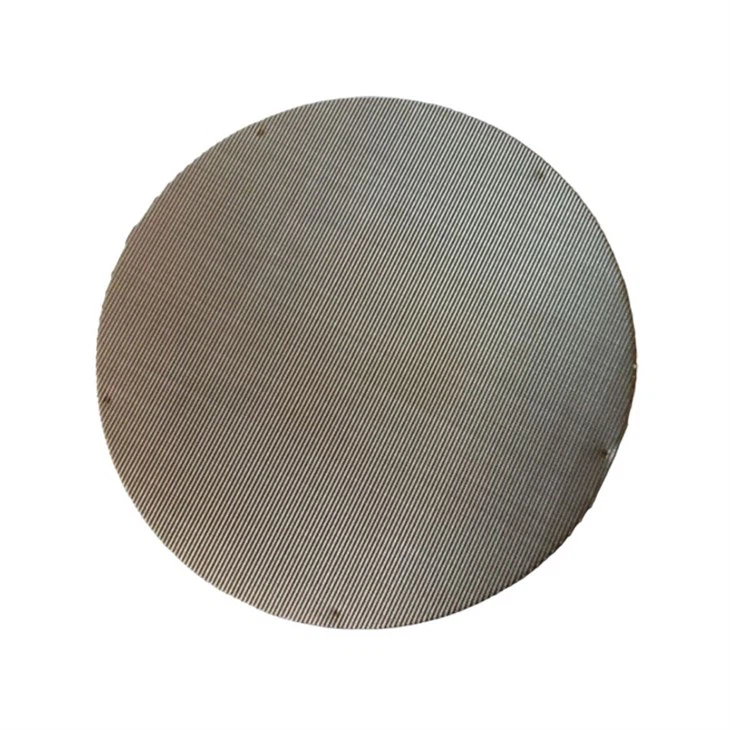

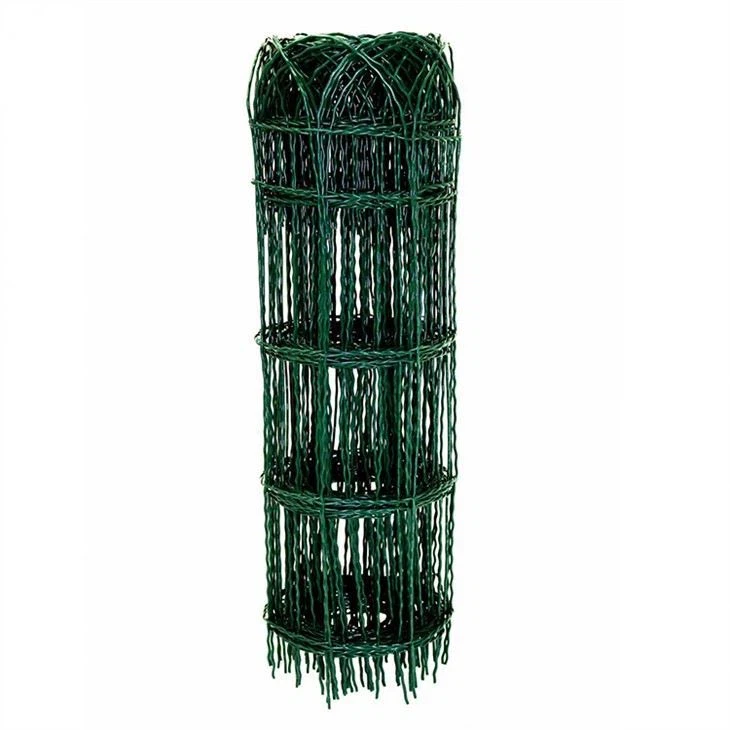
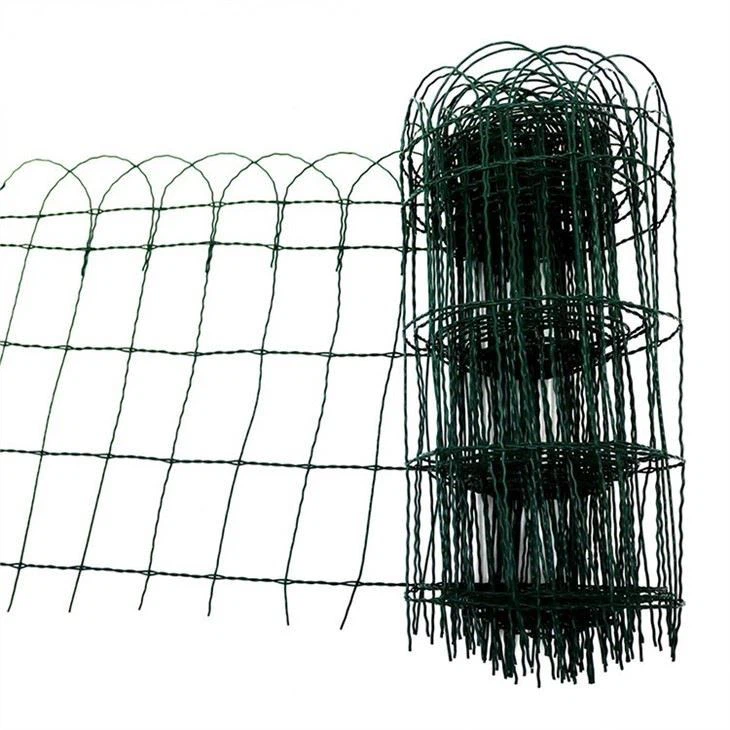
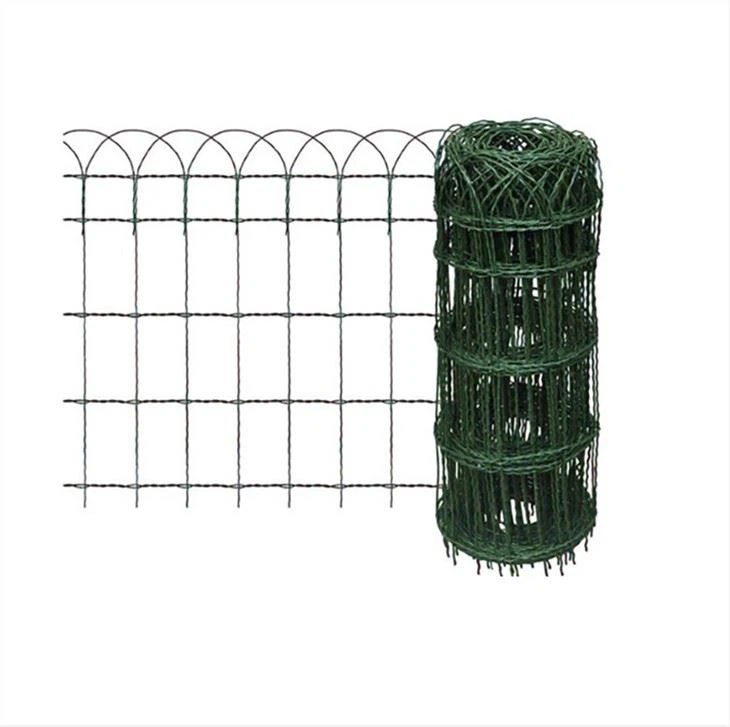
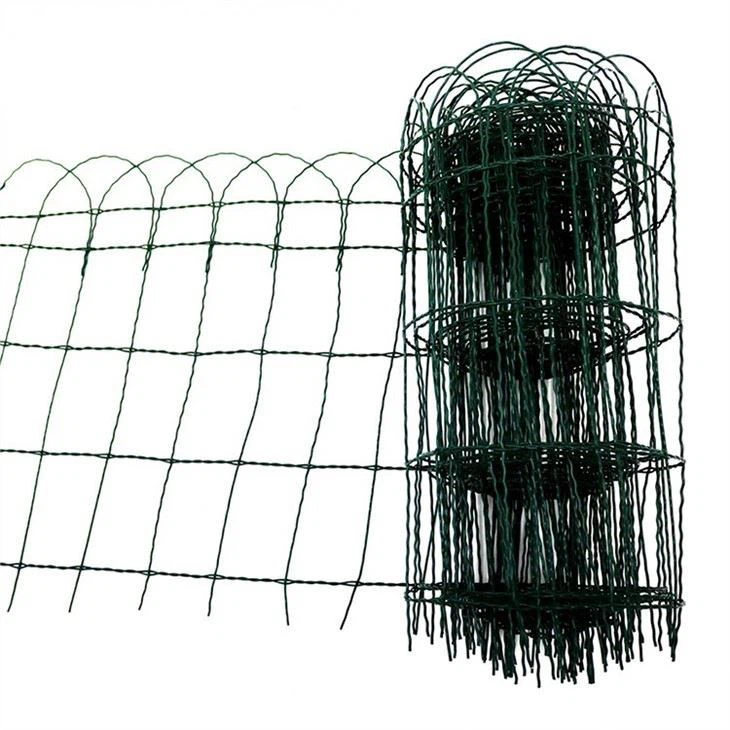
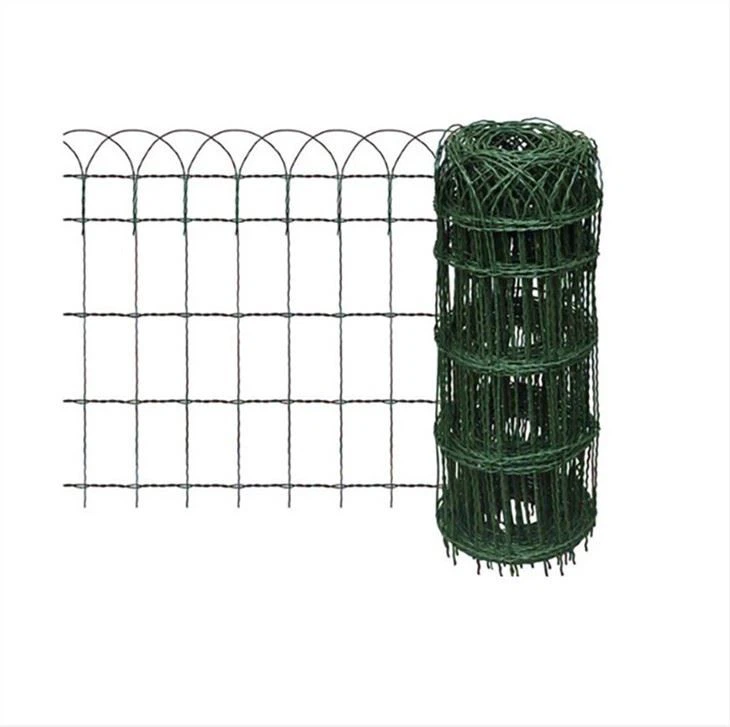
Garden wire mesh is a mesh material made of metal wire braided or welded, and is usually treated with rust prevention such as galvanized, PVC coating or stainless steel to enhance its durability and corrosion resistance. Common mesh shapes are square, diamond and rectangular, wire diameter and mesh size can be adjusted according to demand.
 |  |
Apply
Garden wire mesh is widely used in horticulture and landscape design. It is often used as a fence, installed at the boundaries of gardens, courtyards or vegetable gardens, effectively preventing animal invasion or personnel straying, ensuring the safety and privacy of the area. The wire mesh can be used as a plant support frame to help climbing plants such as vines, beans, etc. grow vertically, saving space and beautifying the environment. It can also be used as a protective net to protect plants from birds, rabbits and other animals to ensure the healthy growth of plants. In slope or embankment areas, wire mesh can strengthen the soil, prevent soil erosion, and improve the stability of the terrain. Wire mesh can also be used for decoration, such as making flower shelves, arches, etc., to add a sense of art and layer to the garden.
Usage
Garden wire mesh is a kind of multifunctional material, which can be used widely. It has a protective function, can effectively prevent rabbits, birds and other animals from destroying plants, protect the safety of the garden and the healthy growth of plants. Wire mesh can be used as a support frame for climbing plants to help vines, beans and other plants grow vertically, saving space and promoting plant growth. It can also be used to divide garden areas and separate areas with different functions for easy management and beautification. In slope or embankment areas, wire mesh can strengthen the soil, prevent soil erosion, and improve the stability of the terrain.
Export packing
The export packaging of the garden wire mesh needs to ensure that the product is safe and non-destructive during transportation, while meeting international trade standards. Common packaging methods include roll and flat packaging: flexible wire mesh is usually rolled into a cylinder, wrapped and reinforced with waterproof plastic film; The rigid wire mesh is laid flat and superimposed, and the external frame is fixed with wooden or metal frames. The packaging materials must be moisture-proof and buffering, such as waterproof film, foam or cardboard, and bound with steel tape or braided tape. Each package of steel wire mesh should be marked with product specifications, material, quantity and transportation identification (such as "moisture-proof" and "upward"), and affixed shipping marks for identification. Wood packaging must be fumigated and affixed with IPPC logo to ensure compliance with international environmental standards.