

TITANIUM WIRE MESH
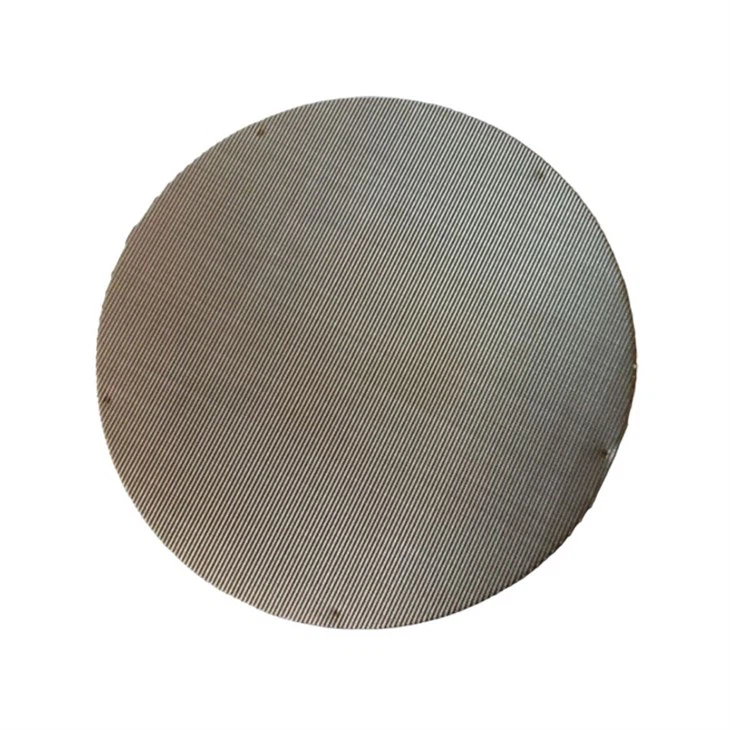
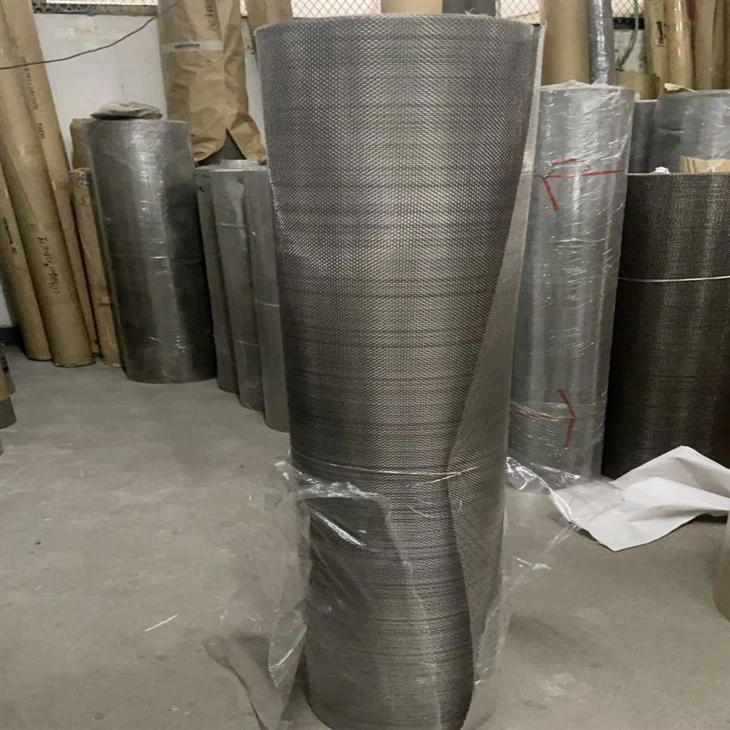
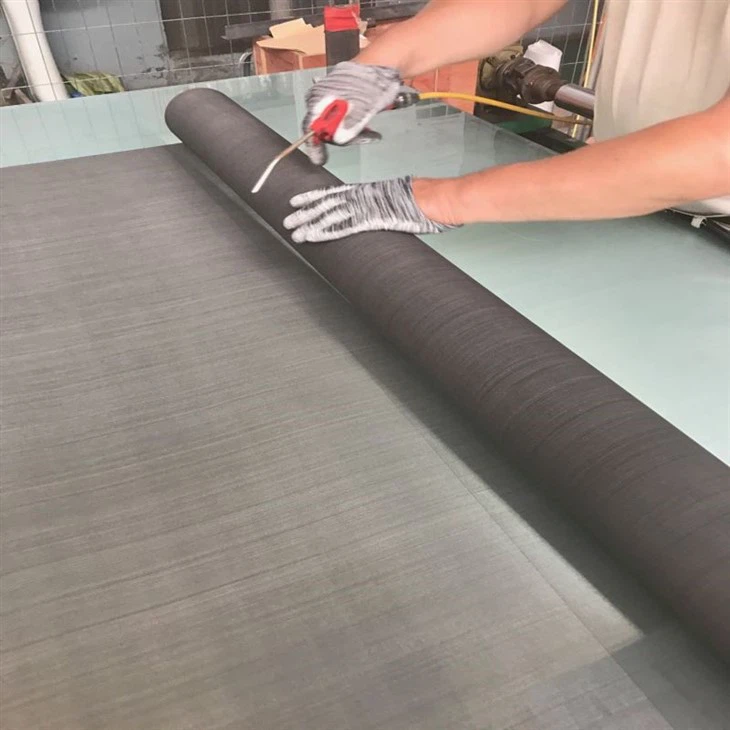
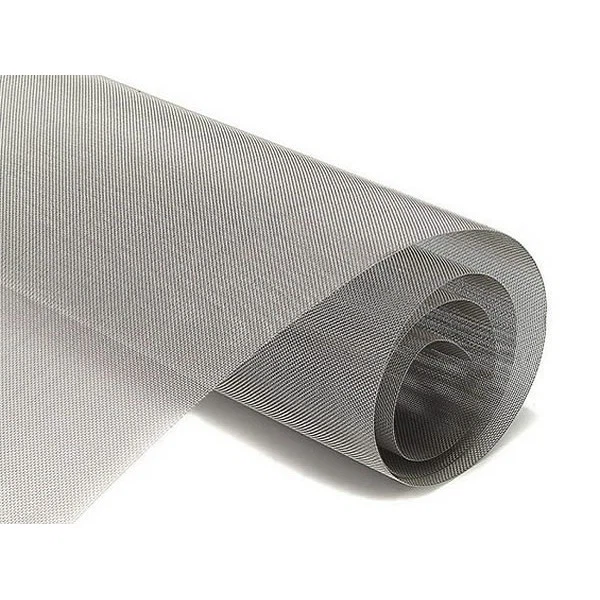
Titanium wire mesh is a type of woven wire mesh made from titanium, a lightweight, strong, and corrosion-resistant metal.
Titanium is a remarkable metal with a range of characteristics that make it highly desirable for numerous applications.
Some key material characteristics of titanium include:
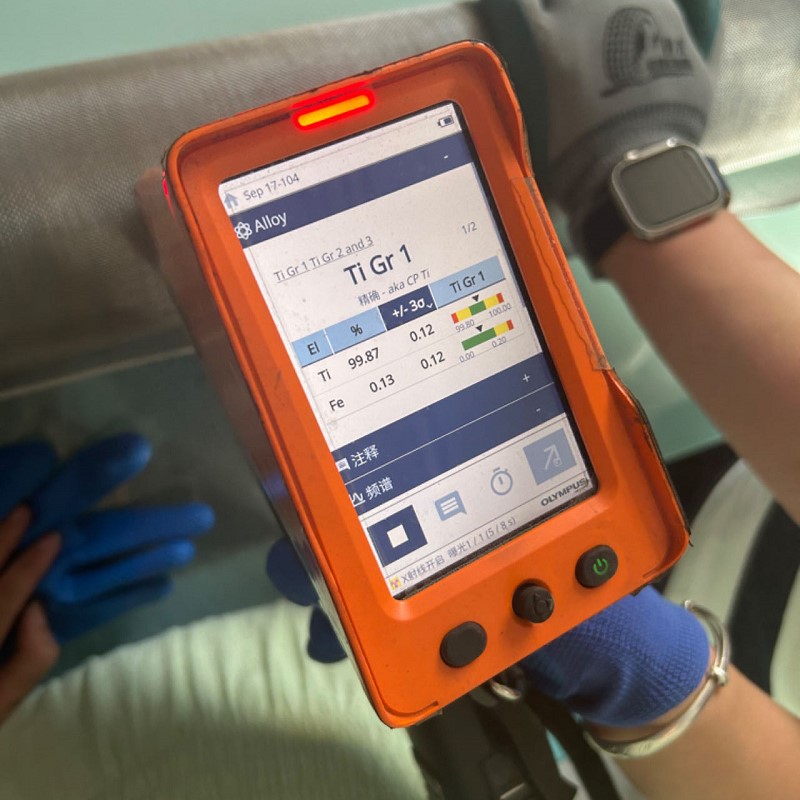 | 1. Strength and Durability: Titanium is known for its exceptional strength, comparable to that of steel but with only 45% of its weight. This makes it highly durable and allows for the creation of strong, lightweight structures. 2. Corrosion Resistance: Titanium exhibits outstanding resistance to corrosion, including resistance to seawater, chlorides, and other aggressive chemical environments. This corrosion resistance is due to the formation of a stable oxide layer on the metal's surface. 3. Low Density: Titanium has a low density, making it lightweight and well-suited for applications where weight is a critical factor, such as aerospace engineering and sports equipment. 4. Biocompatibility: Titanium is biocompatible, meaning it is not harmful to living tissue and is well-tolerated by the human body. This makes it commonly used in medical implants and surgical instruments. 5. High Melting Point: Titanium has a high melting point of 1,668°C (3,034°F), allowing it to retain its strength and integrity at elevated temperatures. This property makes it suitable for high-temperature applications. |
Advantage
High strength: Titanium mesh has excellent mechanical strength and can withstand greater pressure and tension, ensuring stability and durability in a variety of applications.
Low density: Compared to other metal materials, titanium mesh has a lower density, which makes it a significant advantage in areas where lightweight design is required.
Corrosion resistance: Titanium mesh has excellent corrosion resistance and can be used in corrosive environments such as acid, alkali and salt for a long time without damage, which greatly extends its service life.
High temperature resistance: Titanium mesh can maintain stable performance in high temperature environment, not easy to deformation or melting, suitable for high temperature processes and equipment.
Easy to clean: The surface of the titanium mesh is smooth and not easy to adhere to impurities, so it is easy to clean and maintain, and maintain its good filtration performance.
Apply
Chemical industry:
Titanium mesh is widely used in filtration devices in the chemical industry, such as seawater desalination, pure water preparation, chemical filtration and so on. Its corrosion resistance enables it to work stably in various corrosive media, ensuring product quality and production safety.
Aerospace field:
Due to the high strength and low density characteristics of titanium mesh, it has become one of the important materials in the aerospace field. In aircraft manufacturing, titanium mesh can be used in key parts such as structural parts, engine parts and fuel systems to reduce aircraft weight and improve flight performance.
Medical device field:
Titanium mesh is also widely used in the field of medical devices. Due to its good biocompatibility and corrosion resistance, titanium mesh is often used to manufacture medical devices implanted in the human body, such as skull repair plates and spinal internal fixation systems. These implants are able to bind well to human tissue and promote patient recovery.
Sporting goods field:
In some high-end sporting goods, such as badminton rackets, titanium mesh technology is also used. Through special process treatment, titanium mesh can increase the axial moment of inertia of the racket, improve the torsional performance and stability of the racket face when hitting the ball, so as to improve the competitive performance of the athletes.
These characteristics collectively make titanium an extremely versatile material that finds applications in aerospace, military, medical, automotive, chemical processing, and other industries.