

What is the filtration accuracy of brass wire mesh?
As a seasoned supplier of brass wire mesh, I've encountered numerous inquiries regarding the filtration accuracy of this remarkable product. Filtration accuracy is a critical parameter in various industries, influencing the efficiency and effectiveness of filtration processes. In this blog post, I'll delve into the concept of filtration accuracy, explore the factors that affect it in brass wire mesh, and discuss its applications across different sectors.
Filtration accuracy refers to the ability of a filter medium to retain particles of a specific size. It is typically expressed in microns (μm), representing the smallest particle diameter that the filter can effectively capture. For brass wire mesh, filtration accuracy is determined by several factors, including the wire diameter, mesh count, and weave pattern.
The wire diameter plays a crucial role in determining the filtration accuracy of brass wire mesh. Thinner wires allow for smaller openings between the wires, enabling the capture of finer particles. Conversely, thicker wires result in larger openings and lower filtration accuracy. When selecting brass wire mesh for a specific filtration application, it's essential to consider the wire diameter carefully to ensure that it meets the required filtration standards.
Mesh count, which refers to the number of wires per linear inch in both the warp (lengthwise) and weft (crosswise) directions, also significantly impacts filtration accuracy. A higher mesh count indicates a greater number of wires per inch, resulting in smaller openings and higher filtration accuracy. However, increasing the mesh count also reduces the open area of the wire mesh, which can affect the flow rate and pressure drop across the filter. Therefore, a balance must be struck between filtration accuracy and flow rate when choosing the appropriate mesh count for a given application.
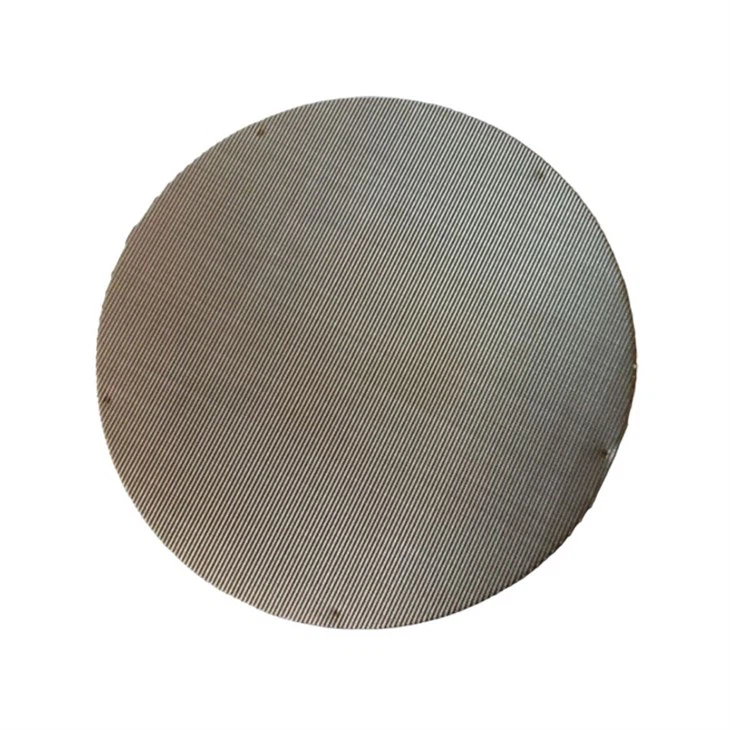
The weave pattern of brass wire mesh is another important factor that influences filtration accuracy. Different weave patterns, such as plain weave, twill weave, and Dutch weave, offer varying degrees of filtration performance. Plain weave is the simplest and most common weave pattern, providing a uniform distribution of wires and relatively consistent filtration accuracy. Twill weave, on the other hand, offers improved strength and durability compared to plain weave, while Dutch weave is known for its high filtration accuracy and excellent particle retention capabilities.
In addition to these factors, the surface finish of the brass wire mesh can also affect its filtration accuracy. A smooth surface finish reduces the likelihood of particles adhering to the wire mesh, improving the overall filtration efficiency. Conversely, a rough or irregular surface finish can trap particles and reduce the effective filtration area, leading to decreased filtration accuracy.
The filtration accuracy of brass wire mesh makes it suitable for a wide range of applications across various industries. In the chemical industry, brass wire mesh is commonly used for filtration in processes such as chemical synthesis, purification, and separation. Its corrosion resistance and high filtration accuracy make it an ideal choice for handling aggressive chemicals and ensuring the purity of chemical products.
In the food and beverage industry, brass wire mesh is used for filtration in processes such as brewing, dairy production, and juice clarification. Its non-toxic nature and high filtration efficiency make it safe for use in contact with food and beverages, ensuring the removal of impurities and contaminants.
In the pharmaceutical industry, brass wire mesh is used for filtration in processes such as drug manufacturing, sterilization, and quality control. Its high filtration accuracy and ability to withstand high temperatures and pressures make it suitable for use in critical pharmaceutical applications, ensuring the safety and efficacy of pharmaceutical products.
In the automotive industry, brass wire mesh is used for filtration in applications such as oil filtration, air filtration, and fuel filtration. Its durability and high filtration efficiency make it an essential component in automotive engines, ensuring the smooth operation and longevity of the vehicle.
In the construction industry, brass wire mesh is used for filtration in applications such as water treatment, sewage treatment, and air ventilation. Its corrosion resistance and high strength make it suitable for use in harsh environments, ensuring the efficient removal of impurities and contaminants from water and air.
If you're interested in purchasing brass wire mesh for your filtration needs, I encourage you to explore our extensive range of products. We offer a wide variety of wire mesh options, including Wire Mesh Fencing Rolls, Plastic Coated Welded Wire Mesh, and Dutch Wire Mesh, to meet the diverse requirements of our customers. Our team of experts is always available to provide you with personalized advice and guidance to help you select the right wire mesh for your specific application.
In conclusion, the filtration accuracy of brass wire mesh is a crucial factor that determines its performance in various filtration applications. By understanding the factors that affect filtration accuracy and choosing the appropriate wire mesh based on your specific requirements, you can ensure the efficient and effective operation of your filtration processes. If you have any questions or need further information about brass wire mesh or its filtration accuracy, please don't hesitate to contact us. We look forward to working with you to meet your filtration needs.