

In the bustling world of large - scale catering, every piece of equipment plays a crucial role in ensuring smooth operations and high - quality food output. One such essential tool is the perforated strainer. As a perforated strainer supplier, I understand the importance of making the right choice for your catering business. In this blog post, I will share some key factors to consider when selecting a perforated strainer for a large - scale catering operation.
Material Selection
The material of a perforated strainer is of utmost importance. It needs to be durable, resistant to corrosion, and able to withstand high - volume usage.
Stainless Steel
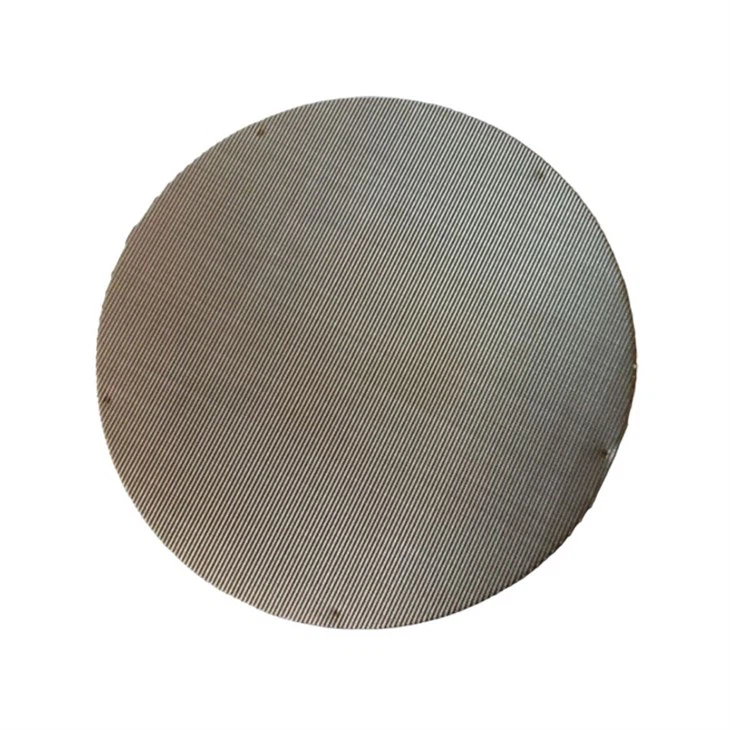
Stainless steel is one of the most popular choices for large - scale catering perforated strainers. It is highly resistant to rust and corrosion, which is vital in a kitchen environment where the strainer may come into contact with various acidic and alkaline substances. Additionally, stainless steel is easy to clean, meets strict food safety standards, and can endure repeated use. Our Stainless Steel Sintered Filter is made of high - grade stainless steel, offering superior performance and longevity. It can effectively filter out impurities while being strong enough to handle the rigors of daily large - scale operations.
Other Materials
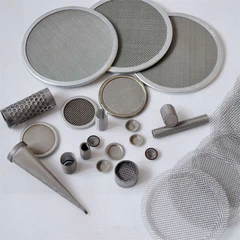
Some strainers are made of other materials like plastic or polymer. While these materials can be lightweight and cost - effective, they may not be as durable as stainless steel. For instance, a Polymer Candle Filter might be suitable for certain specific filtration tasks where the requirements are less demanding. However, in a large - scale catering business where there is a high volume of food processing, a more robust material like stainless steel is generally a better long - term investment.
Hole Size and Pattern
The hole size and pattern of the perforated strainer significantly impact its functionality.
Hole Size
The choice of hole size depends on the type of food or liquid you need to strain. For straining fine particles such as flour or tea leaves, a strainer with smaller holes is required. On the other hand, if you are straining pasta or large chunks of food, a strainer with larger holes will be more appropriate. In a large - scale catering business, it is often advisable to have a variety of hole sizes on hand to meet different culinary needs.
Hole Pattern
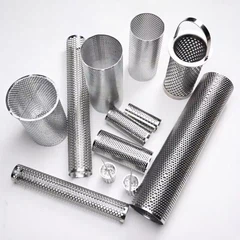
The pattern in which the holes are arranged also matters. A well - designed hole pattern can ensure even distribution of the material being strained, leading to more efficient filtration. For example, a uniform grid pattern can provide consistent flow and prevent clogging. Our Wire Mesh Filter Tube features a carefully engineered hole pattern that maximizes filtration efficiency and reduces the risk of blockages, making it ideal for large - scale food processing.
Capacity and Size
In a large - scale catering setting, the capacity and size of the perforated strainer are crucial factors.
Capacity
You need to choose a strainer that can handle the volume of food or liquid you typically process in one go. A strainer with insufficient capacity will slow down your operations as you will have to strain the material in multiple batches. Consider the peak demand periods in your catering business and select a strainer with an appropriate capacity to meet those needs.
Size
The physical size of the strainer also matters. It should fit comfortably in your kitchen equipment, such as sinks or large pots. A strainer that is too large may be cumbersome to handle and store, while one that is too small may not be practical for large - scale operations. Make sure to measure the available space and the equipment you will be using the strainer with before making a purchase.
Ease of Cleaning
Cleaning is an important aspect of maintaining a perforated strainer in a large - scale catering business. A strainer that is difficult to clean can harbor bacteria and other contaminants, which can pose a risk to food safety.
Design Features
Choose a strainer with a design that facilitates easy cleaning. Smooth surfaces without sharp corners or crevices are easier to wipe down and sanitize. Some strainers are designed to be disassembled, allowing for more thorough cleaning of all parts. Additionally, select a strainer that is dishwasher - safe, as this can save a significant amount of time and effort in a busy kitchen.
Maintenance
Regular maintenance is also key to keeping the strainer in good working condition. Follow the manufacturer's instructions for cleaning and storage to ensure the longevity of the strainer.
Cost and Value
Cost is an important consideration in any business decision. However, when it comes to choosing a perforated strainer for a large - scale catering business, it is essential to look beyond the initial purchase price and consider the long - term value.