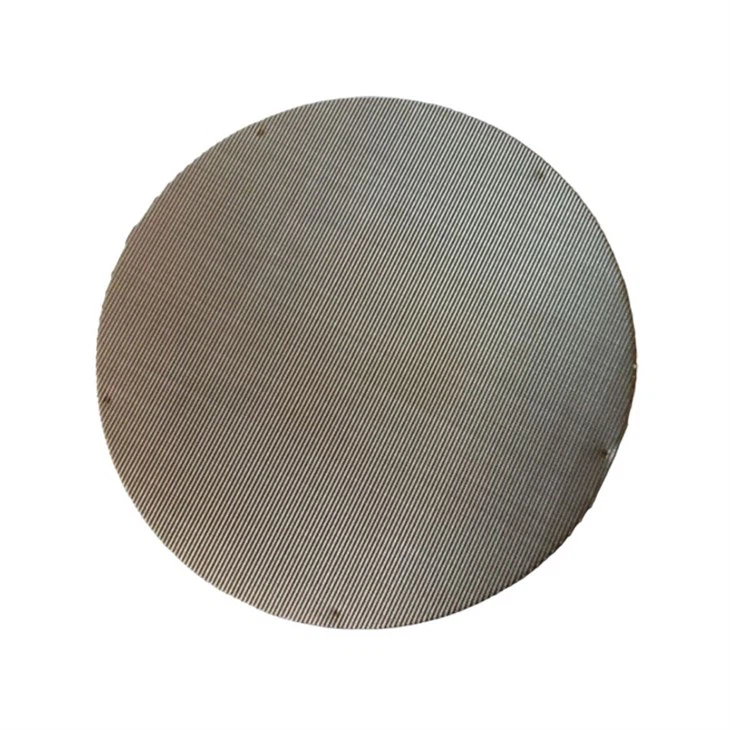
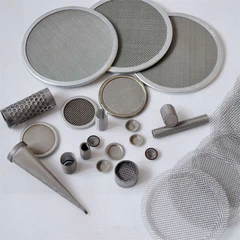
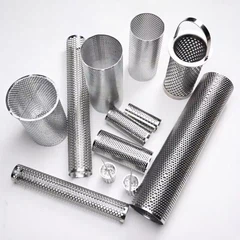

Stainless Steel Wire Mesh
YONGLV WIRE MESH : Your Professional Stainless Steel Wire Mesh Manufacturer !
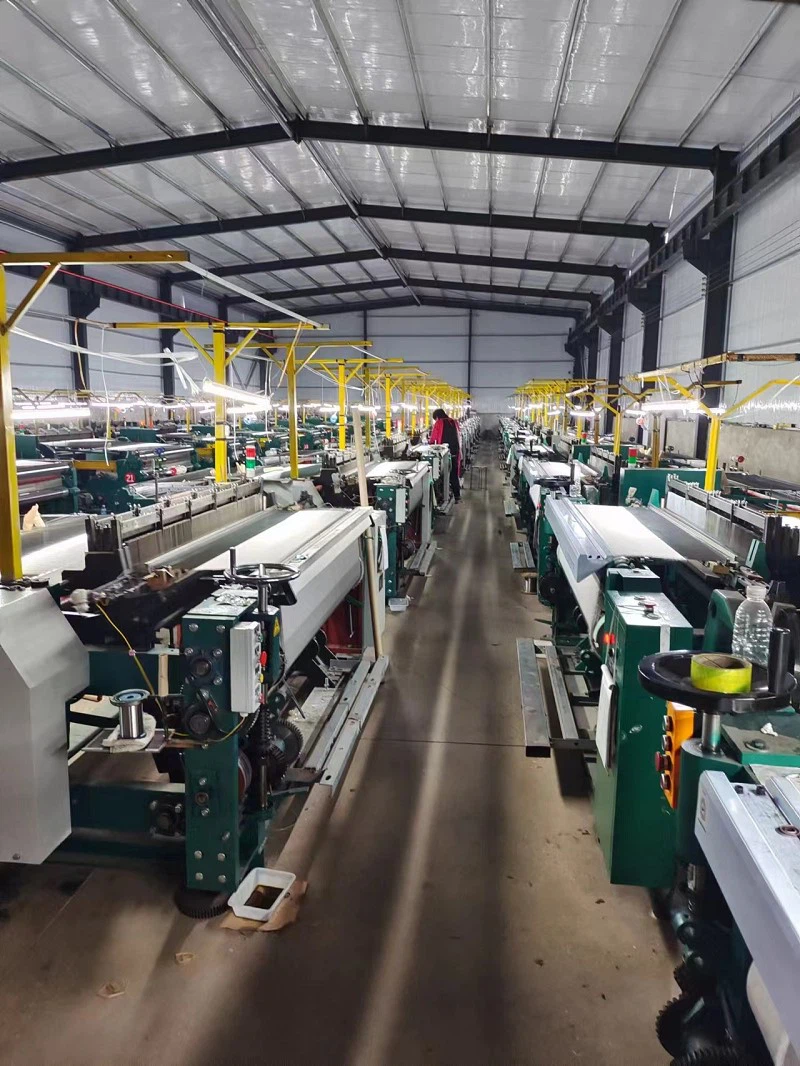
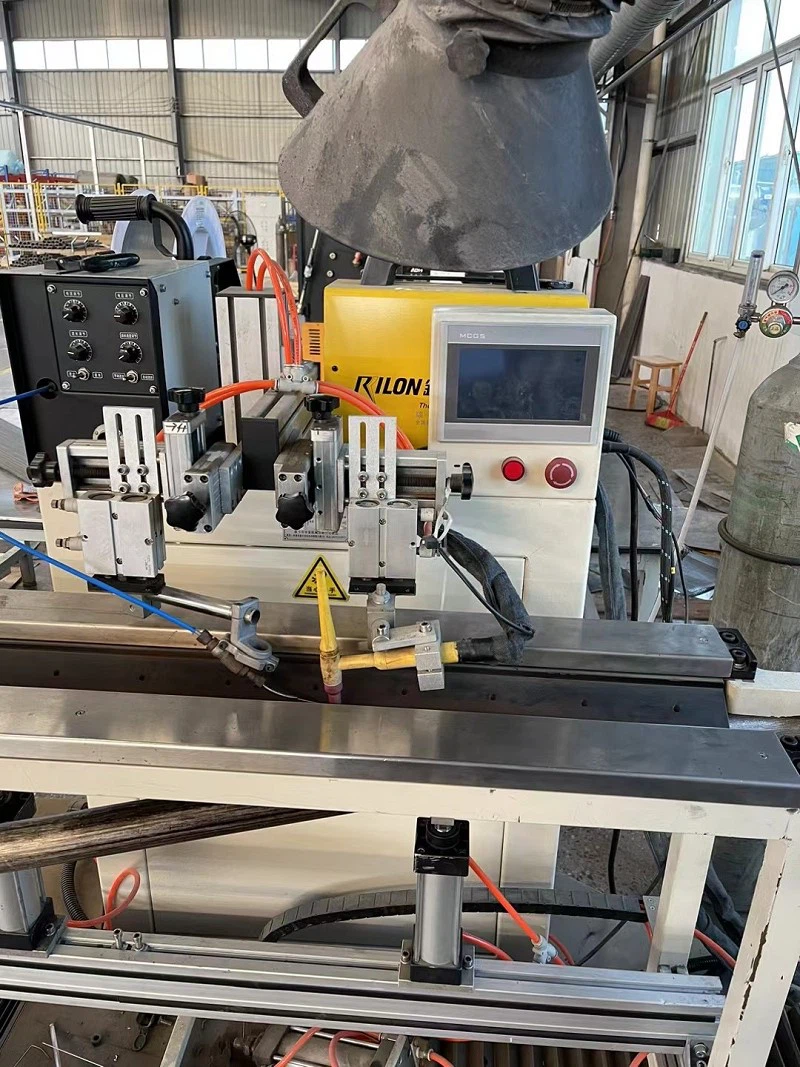
Our company has a development history of more than 10 years, and the factory covers an area of 2,500 square meters. We have 50 fully CNC wire mesh knitting machines and more than 20 CNC filter manufacturing machines including multiple filter welding equipment, with an annual output value of US$10 million. Our products can be exported to nearly 20 countries.
Complete Equipment
With a factory covering an area of 2500 square meters. We have 50 fully CNC wire
mesh weaving machines and more than 20 CNC filter manufacturing machines include
multiple filter welding equipment.
Rich Experience
We have 50 fully CNC wire mesh knitting machines and more than 20 CNC filter
manufacturing machines including multiple filter welding equipment, with an
annual output value of US$10 million and exported to nearly 20 countries.
Rich Products
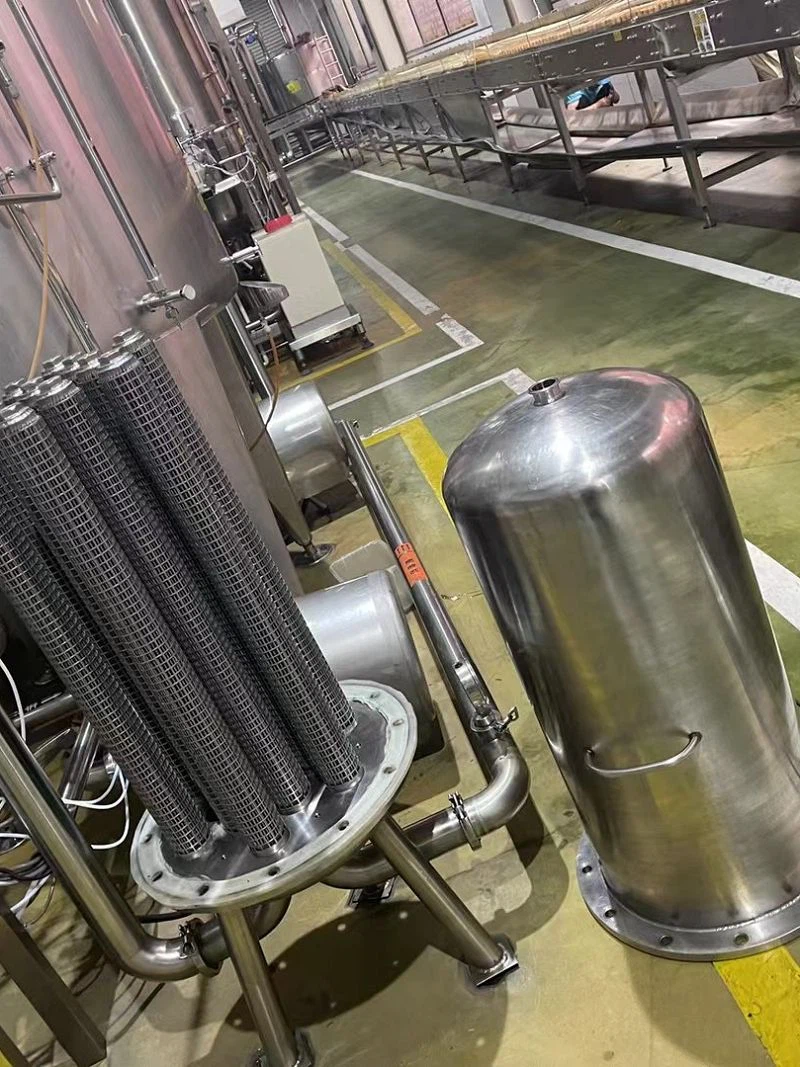
Our company can produce high-quality stainless steel sintered filters,
perforated filters, wire mesh filter tubes, barbecue mesh, perforated smoke
tubes, 304 stainless steel wire mesh, 316 stainless steel wire mesh, etc.
Products Widely Used
The products produced by our company can be widely used in PET bottle recycling,
PET sheet manufacturing, spunbond non-woven fabric manufacturing, plastic
recycling, polyester oriented yarn, fully drawn yarn, staple fiber yarn and
solid and liquid filtration systems.


What is Stainless Steel Wire Mesh
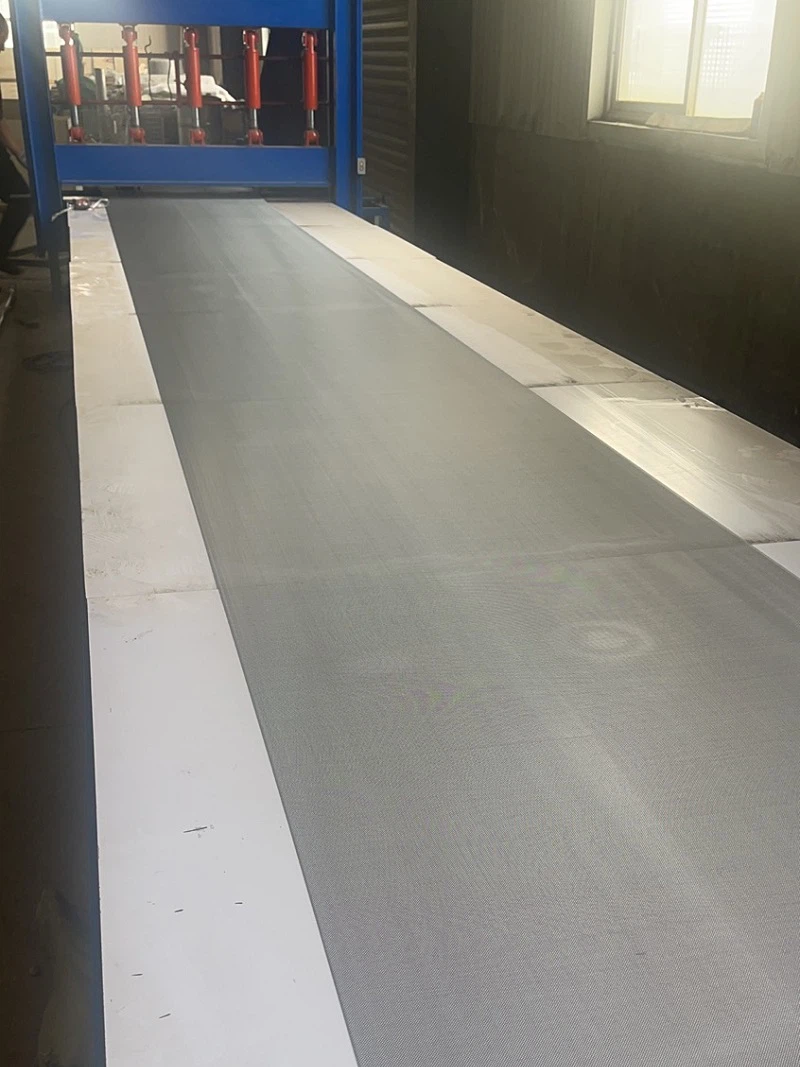
Stainless steel wire mesh is a versatile material renowned for its durability, corrosion resistance, and wide range of applications. Composed of interwoven stainless steel wires, it forms a sturdy grid-like structure suitable for various industrial, commercial, and residential uses. From filtration and separation to fencing and architectural design, stainless steel wire mesh offers unparalleled strength, longevity, and aesthetic appeal.
Features Of Stainless Steel Wire Mesh
One of the primary advantages of stainless steel wire mesh is its exceptional corrosion resistance. Stainless steel contains chromium, which forms a protective oxide layer on the surface, preventing the mesh from rusting or corroding even in harsh environments. This corrosion resistance makes stainless steel wire mesh suitable for applications where exposure to moisture, chemicals, or extreme temperatures is common, such as marine environments, chemical processing plants, and outdoor structures.
Stainless steel wire mesh is known for its strength and durability. The woven structure of the mesh provides excellent tensile strength and resistance to impact, making it capable of withstanding heavy loads and mechanical stress. Stainless steel wire mesh retains its integrity and structural stability even under extreme temperatures, making it ideal for high-temperature applications like furnace screens or filters.
Stainless steel wire mesh exhibits excellent resistance to high temperatures, making it suitable for applications that involve heat or thermal processes. It can withstand elevated temperatures without losing its physical properties, making it suitable for use in ovens, kilns, heat exchangers, and other high-temperature equipment. Additionally, the thermal conductivity of stainless steel wire mesh allows for efficient heat transfer, making it beneficial for heat dissipation applications.
Stainless steel wire mesh is available in a wide range of mesh sizes, wire diameters, and weaving patterns, providing versatility for various applications. Different mesh sizes and wire diameters allow for precise control over filtration or separation requirements, making it suitable for use in filtration systems, sieving operations, and particle retention. The weaving patterns, such as plain weave, twill weave, or Dutch weave, offer different characteristics in terms of strength, filtration efficiency, and aperture size, allowing for customization based on specific application needs.
Materials Of Stainless Steel Wire Mesh
304 Stainless Steel
Known as A2 stainless, 304 stainless steel is the most common of the stainless steel family. The most common form of 304 stainless steel is 18-8 or 18/8 stainless steel which contains 18 percent chromium and 8 percent nickel. 304 stainless steel mesh can withstand corrosion from most oxidizing acids. That durability makes this grade of stainless steel easy to sanitize, an ideal advantage for kitchen and food applications. 304 stainless steel is also common in buildings, decor, and site furnishings.
316 Stainless Steel
316 stainless steel, also known as marine grade stainless or A4 stainless, is well-known for its increased resistance to corrosion and its superb abilities in salt-water and marine applications.
Stainless Steel 201
Stainless steel 201 wire mesh is a type of wire mesh made from stainless steel grade 201. Stainless steel 201 is a low nickel, high manganese stainless steel.
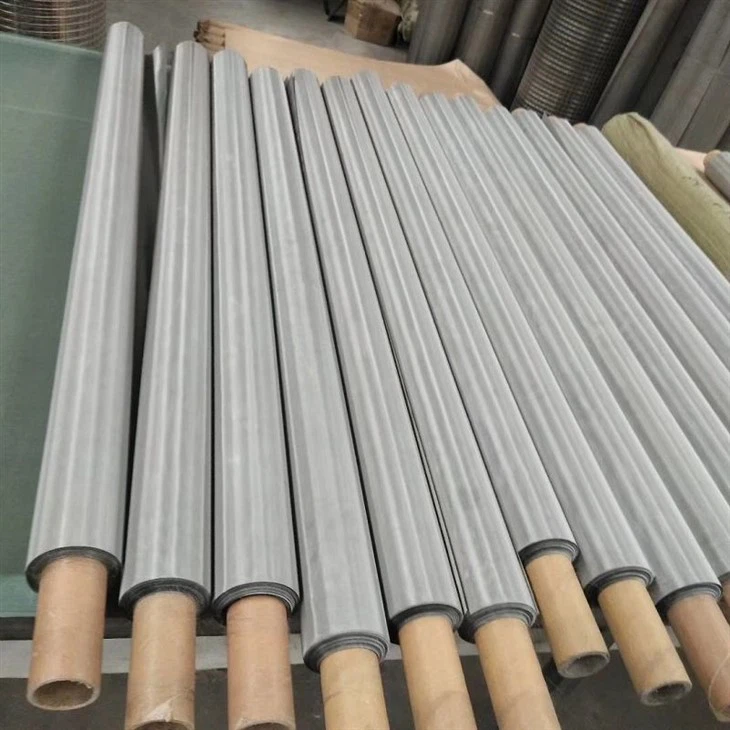
Excellent Filtration and Sieving Properties
Stainless steel wire mesh is highly effective in filtration and sieving applications due to its uniform porosity and precise opening sizes. The mesh structure provides a consistent and accurate filtration or separation, ensuring reliable performance and consistent results. Stainless steel wire mesh is widely used in industries such as oil and gas, pharmaceuticals, food processing, and water treatment for applications such as liquid filtration, gas filtration, particle separation, and sieving.
Easy Maintenance and Cleanliness
Stainless steel wire mesh is easy to clean and maintain. Its smooth surface prevents the accumulation of dirt, debris, and contaminants, making it hygienic and easy to sterilize. This characteristic is particularly important in industries such as food and beverage processing, pharmaceuticals, and laboratory settings where cleanliness and sanitation are critical. Stainless steel wire mesh can be easily cleaned through methods such as spraying, brushing, or ultrasonic cleaning without compromising its structural integrity.
Aesthetic Appeal
In addition to its functional benefits, stainless steel wire mesh also offers aesthetic appeal in architectural and design applications. Its sleek and modern appearance can be used for decorative purposes, such as interior and exterior cladding, facades, balustrades, and decorative screens. Stainless steel wire mesh can add a touch of elegance and contemporary style to architectural designs while providing functionality, durability, and visibility.
Environmental Friendliness
Stainless steel wire mesh is environmentally friendly and sustainable. It is 100% recyclable, meaning it can be reused or repurposed without any loss in quality or performance. Choosing stainless steel wire mesh reduces the environmental impact compared to non-recyclable materials.
Process Of Stainless Steel Wire Mesh
Material Preparation
The production of stainless steel wire mesh begins with the preparation of the necessary stainless steel materials, primarily stainless steel wire. Depending on the specifications and requirements for the stainless steel wire mesh to be woven, stainless steel wires of corresponding diameters and materials are selected. Additionally, the preparation involves acquiring appropriate auxiliary materials such as welding equipment and polishing materials.
Wire Drawing Process
The stainless steel wires undergo a wire drawing process to achieve the desired diameter and surface smoothness. This process is conducted using specialized wire drawing equipment, gradually refining the stainless steel wire through multiple drawing stages to attain the required diameter and surface quality.
Mesh Weaving
The drawn and processed stainless steel wires are woven into the desired shape and specifications for the stainless steel woven wire mesh. Weaving can be accomplished manually or through mechanical weaving methods. Throughout the weaving process, ensuring the tightness and uniformity of the weave is crucial to prevent quality issues during subsequent welding and polishing procedures.
Welding
Once the stainless steel wire cloth is woven, welding becomes necessary. Welding primarily occurs at the nodes of the stainless steel wire mesh, employing specialized welding equipment for connections. During welding, attention must be given to maintaining the solidity and aesthetics of the welding points while avoiding excessive damage to the stainless steel wires.
Polishing
Following welding, the stainless steel woven wire mesh requires polishing to enhance surface smoothness and achieve the desired level of gloss. Polishing methods may include mechanical or manual techniques, selecting appropriate polishing equipment and materials based on the stainless steel mesh's material and requirements. During polishing, care must be taken to avoid causing excessive damage to the stainless steel wires.
Cleaning
After the polishing process, it's necessary to clean the stainless steel wire mesh to eliminate surface dirt and impurities. Professional cleaning equipment and agents can be utilized for this purpose, ensuring protection of the material and shape of the stainless steel wires during the cleaning process.
Inspection
Upon completion of cleaning, a quality inspection of the stainless steel wire cloth is conducted. Inspection methods may involve visual examination and dimensional checks. Visual inspection focuses on the surface quality, appearance, and integrity of the stainless steel mesh, while dimensional checks ensure precision and compliance with specified requirements. Any non-conforming products require rework or disposal.
How to Choose Stainless Steel Wire Mesh
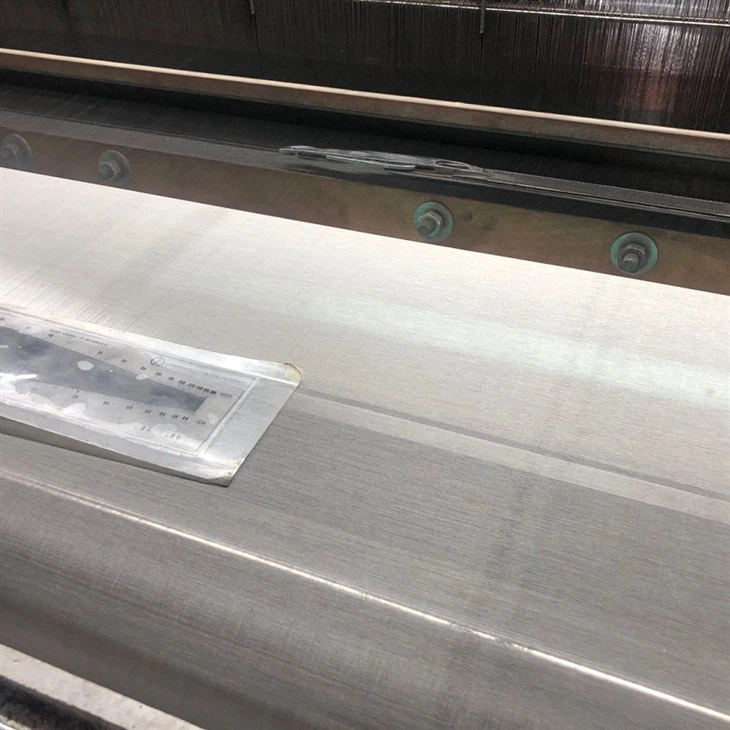
Consider The Level Of Filtration
The opening size of the mesh and the wire diameter are crucial factors when it comes to filtration. If you need to filter out small particles, opt for a mesh with a smaller opening size and a smaller wire diameter.
Think About The Required Strength
The wire diameter and mesh count will determine the strength and durability of the mesh. If your application requires high strength, select a mesh with a thicker wire diameter and a higher mesh count.
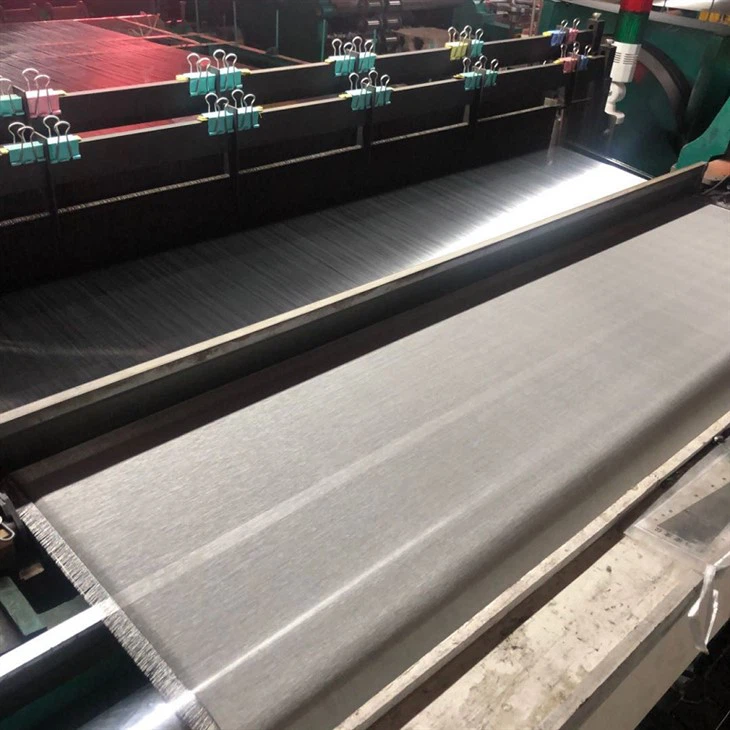
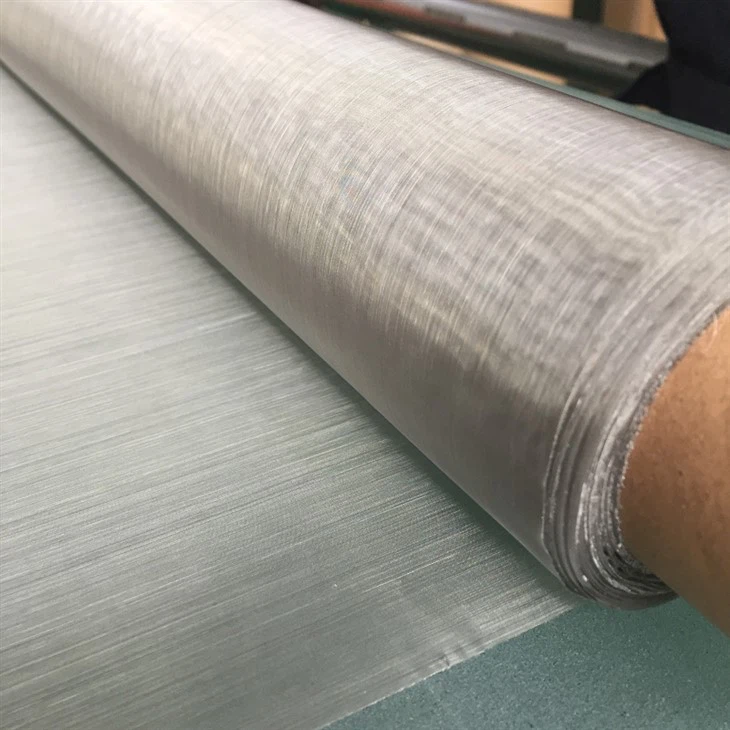
Take Into Account Environmental Conditions
If the wire mesh will be exposed to harsh environmental conditions, such as high temperatures or corrosive substances, consider selecting a wire mesh with a higher level of resistance.
Keep Budget In Mind
The cost of the wire mesh will vary based on different factors, such as wire diameter, mesh count, and opening size. Be sure to find a balance between the necessary specifications and your budget.
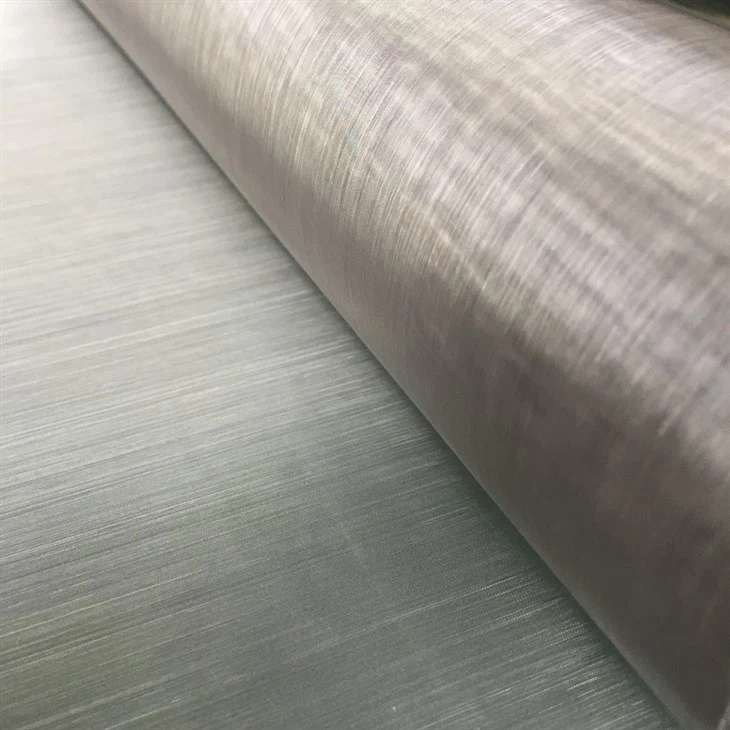
Applications of Stainless Steel Wire Mesh
Filtration and Separation
Stainless steel wire mesh is widely used as a filtration medium in industries such as chemical processing, oil and gas, water treatment, food and beverage, and pharmaceuticals. It is used to filter out impurities, separate solids from liquids or gases, and achieve precise particle size control. The mesh size and weave pattern can be customized to meet specific filtration requirements.
Screen Printing
Stainless steel wire mesh with a fine mesh count is used in screen printing applications. It provides a durable and stable printing surface, allowing for precise and consistent ink transfer. Stainless steel mesh screens are commonly used in the printing of textiles, ceramics, glass, electronics, and other materials.
Architectural Applications
Stainless steel wire mesh is used in architectural applications for its aesthetic appeal and functional properties. It is used as decorative mesh for facades, balustrades, partitions, wall cladding, and interior design elements. Stainless steel wire mesh can provide transparency, airflow, and light diffusion while adding a modern and stylish look to buildings.
Animal Enclosures and Fencing
Stainless steel wire mesh is used in animal enclosures, zoos, and agricultural settings to create secure and durable fencing. It provides excellent strength, corrosion resistance, and visibility, making it suitable for containing animals while allowing proper airflow and visibility.
Industrial Screens and Sieves
Stainless steel wire mesh is used in industrial screens and sieves for grading, sorting, and separating materials. It is commonly used in industries such as mining, quarrying, construction, and recycling. Stainless steel mesh screens can withstand harsh conditions and heavy loads while maintaining accurate and consistent particle size separation.
Insect Screens
Stainless steel wire mesh is used in window screens, door screens, and ventilation systems to keep insects and pests out while allowing fresh air to flow through. The corrosion resistance and durability of stainless steel make it suitable for outdoor applications where exposure to weather and moisture is common.
Automotive and Aerospace
Stainless steel wire mesh is used in automotive and aerospace applications for its strength, durability, and heat resistance. It is used in filters, vents, grilles, and reinforcement components to provide protection, airflow, and structural support.
Industrial Safety and Protection
Stainless steel wire mesh is used for safety and protection purposes in industrial settings. It is used as machine guards, safety barriers, conveyor belt guards, and protective enclosures. The strength and rigidity of stainless steel mesh provide reliable protection against hazards while allowing visibility and airflow.
Factory pictures