
WireMesh
YONGLV WIRE MESH : Your Professional Wire Mesh Manufacturer !
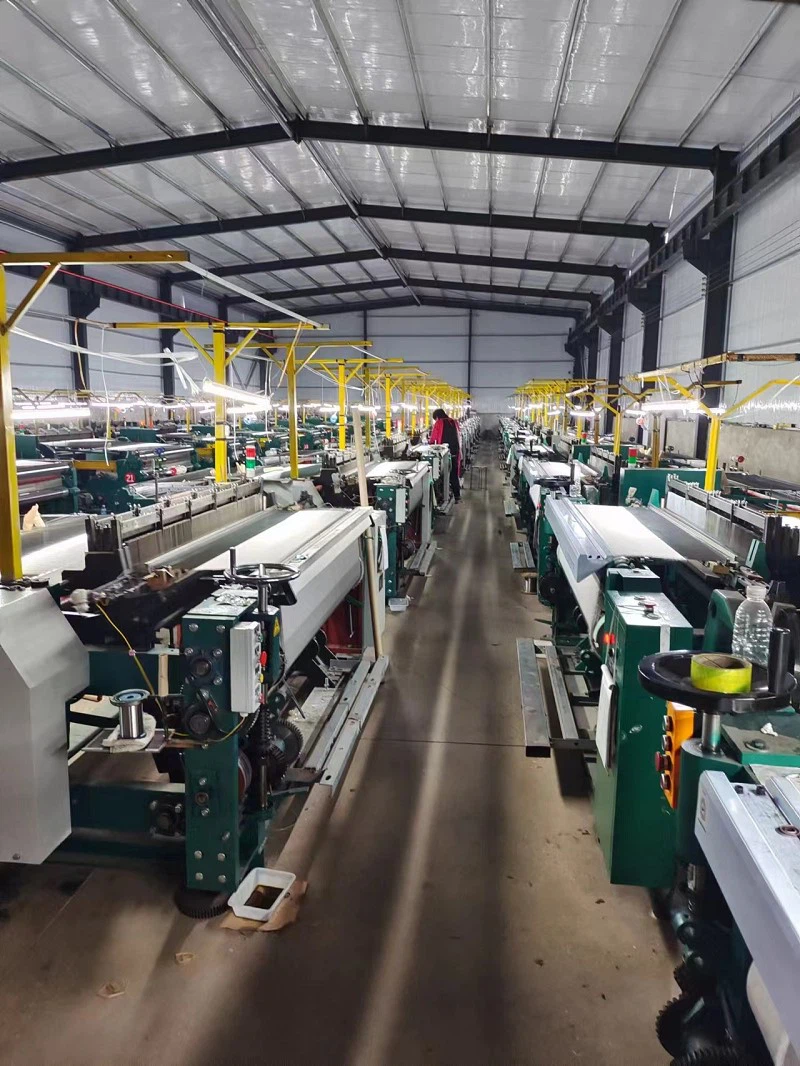
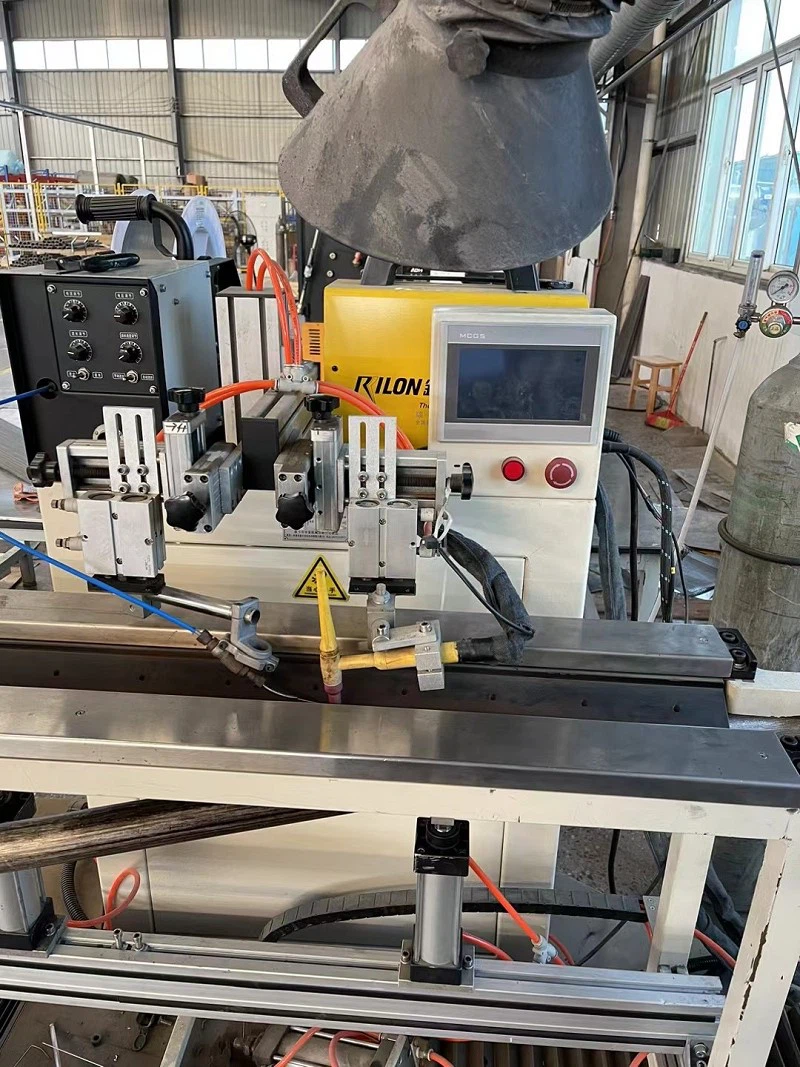
Our company has a development history of more than 10 years, and the factory covers an area of 2,500 square meters. We have 50 fully CNC wire mesh knitting machines and more than 20 CNC filter manufacturing machines including multiple filter welding equipment, with an annual output value of US$10 million. Our products can be exported to nearly 20 countries.
Complete Equipment
With a factory covering an area of 2500 square meters. We have 50 fully CNC wire
mesh weaving machines and more than 20 CNC filter manufacturing machines include
multiple filter welding equipment.
Rich Experience
We have 50 fully CNC wire mesh knitting machines and more than 20 CNC filter
manufacturing machines including multiple filter welding equipment, with an
annual output value of US$10 million and exported to nearly 20 countries.
Rich Products
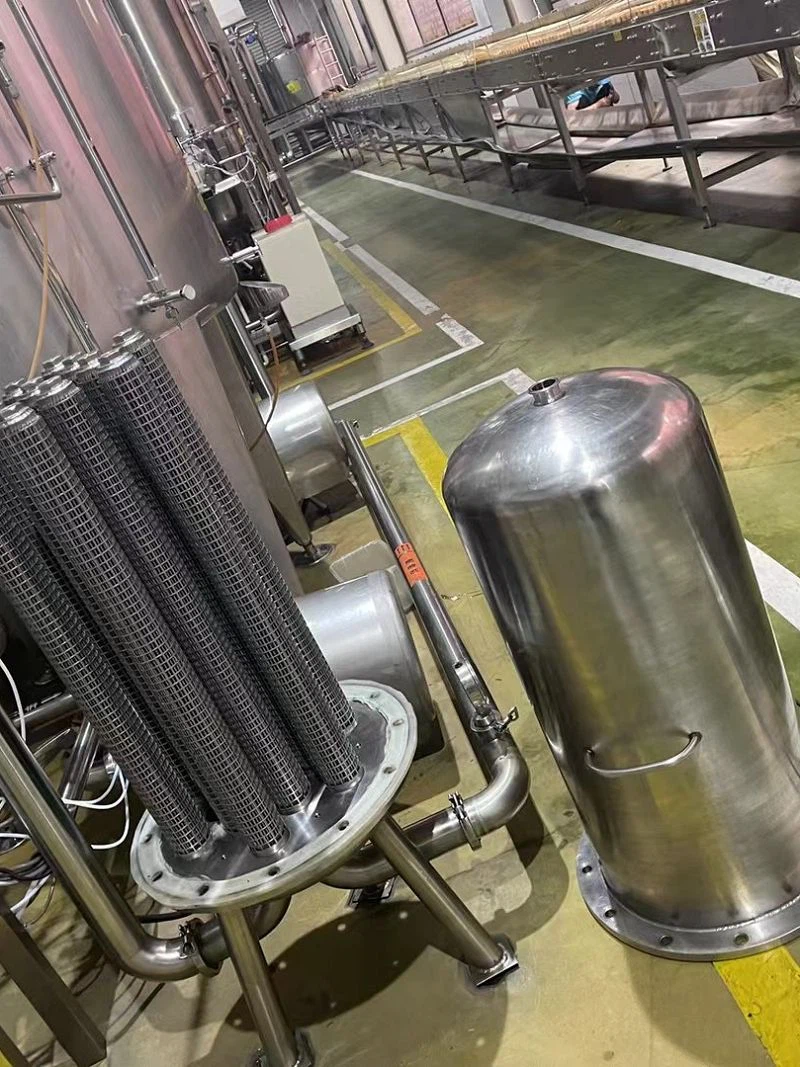
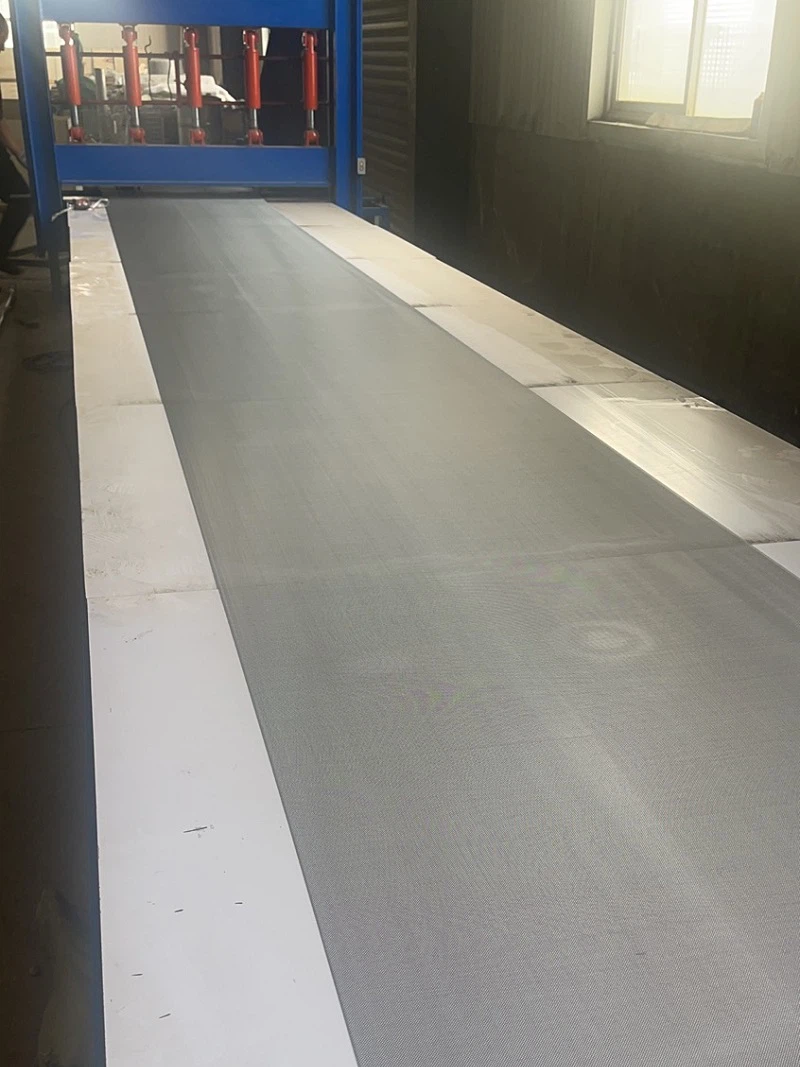
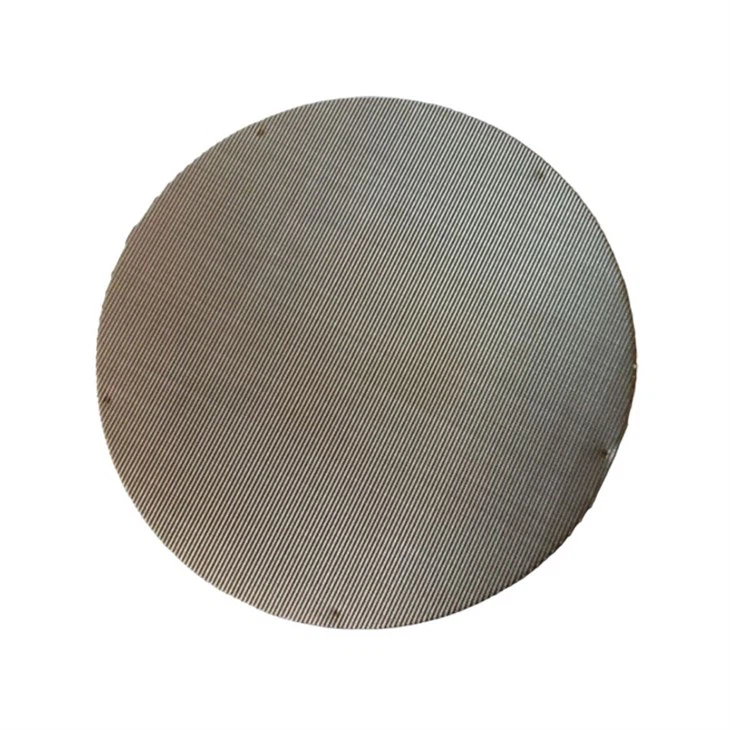
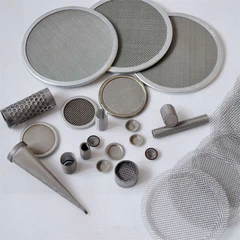
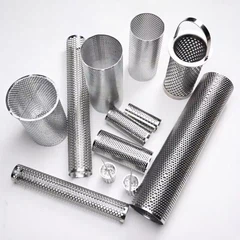
Our company can produce high-quality stainless steel sintered filters,
perforated filters, wire mesh filter tubes, barbecue mesh, perforated smoke
tubes, 304 stainless steel wire mesh, 316 stainless steel wire mesh, etc.
Products Widely Used
The products produced by our company can be widely used in PET bottle recycling,
PET sheet manufacturing, spunbond non-woven fabric manufacturing, plastic
recycling, polyester oriented yarn, fully drawn yarn, staple fiber yarn and
solid and liquid filtration systems.


What is Wire Mesh
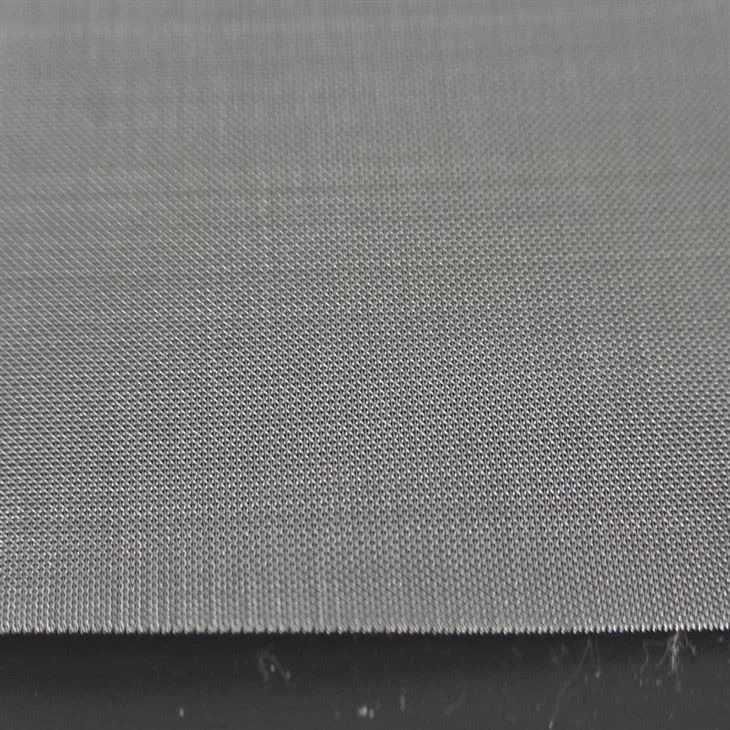
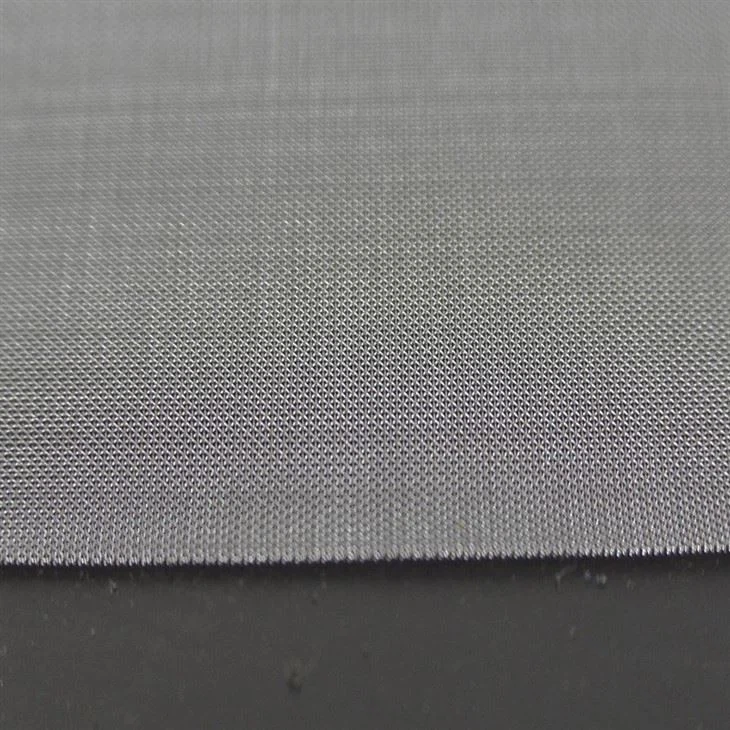
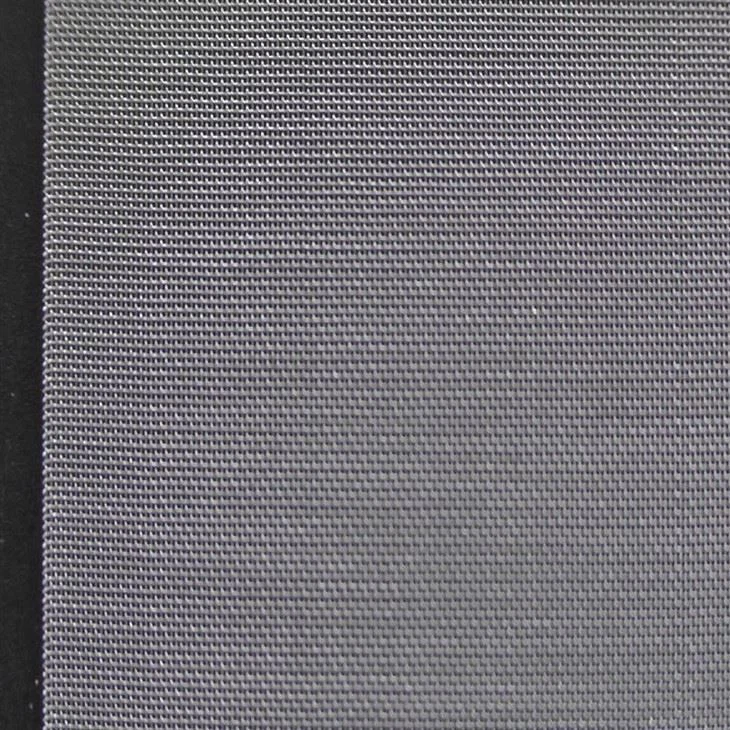
Wire mesh, also known as wire cloth or wire fabric, is a versatile material made by interweaving or welding metal wires together to form a grid-like structure. It consists of a series of parallel longitudinal wires (called warp wires) and perpendicular transverse wires (called weft wires) that intersect and create a pattern. Wire mesh is available in various materials, including stainless steel, galvanized steel, aluminum, copper, and brass. Each material offers different properties such as strength, corrosion resistance, conductivity, and appearance, allowing wire mesh to be used in a wide range of applications.
Features Of Wire Mesh
When you get a wire mesh sheet, you will not have to put much time or effort into painting or maintaining it. Since they are highly durable, wire mesh sheets can help you save the fatigue and trouble of regular maintenance.
The installation process of the wire mesh sheet is speedy and easy. You can easily find several proprietary connection accessories that help you with the installation process while significantly improving its efficiency.
You can find several specifications and varieties of wire mesh sheets. Depending on your project’s requirements and application, you can either have a more functional or aesthetically pleasing wire mesh custom-built.
Environmental protection and safety are among the top reasons why people often choose wire mesh. They are harmless to animals and people and do not cause significant injuries like steel and iron fences do. Some examples of stainless-steel wire mesh are poultry cages, aisle fences, porch fences, drainage troughs, rodent nets, mechanical protective covers, grid frames, and livestock and plant fences.
When you use CaWire wire mesh sheets, you can use a unique formula and an ultraviolet absorber, ensuring that your metal sheets have no yellowing, peeling, fading, cracking, moth, or foaming. Our products also provide you with more than 30 years of use cycle. Besides being incredibly strong and long-lasting, our premium quality wire mesh is also corrosion-resistant. Wire mesh sheets can easily withstand extreme temperatures and do not become brittle or lose their structural integrity. However, if it does happen while your wire mesh sheet is still being used, you can mold it using hand tools without damaging it or any other product or space around it.
Materials Of Wire Mesh
Aluminum
Aluminum is largely considered the most popular non-ferrous metal in the world, and as such, aluminum alloys are commonly used in the wire mesh industry. Aluminum alloys are composed primarily of aluminum, and also contain other elements like copper, magnesium, manganese, or silicon. Aluminum woven wire mesh is lightweight; in fact, a good rule of thumb is that, when compared to its stainless steel counterpart, aluminum mesh is approximately 1/3rd the weight of stainless. Aluminum wire mesh is also corrosion resistant in most normal environments but will corrode quickly in the presence of alkaline solutions and hydrochloric and hydrofluoric acids.
Galvanized
Galvanizing can occur either before or after wire mesh is manufactured – both in woven form or welded form. Galvanized before woven wire mesh or galvanized before welded wire mesh indicates the individual wires, themselves, used to manufacture the mesh have been galvanized before the mesh is woven or welded.
Copper
Copper and its alloys have been used for thousands of years, so it is no surprise it is a highly demanded option within the wire mesh industry. Copper wire mesh is ductile, malleable and has high thermal and electrical conductivity. As a result, it is popularly used as RFI shielding, in Faraday Cages, in roofing, in HVAC and in numerous electrical-based applications. Copper wire mesh is durable in many types of atmospheres and environments.
Types Of Wire Mesh
Perforated metal mesh, a highly versatile and commonly used material, is characterised by its array of precise holes or perforations. There are various shapes, sizes, and patterns of perforations that are available with this mesh type, which make it particularly adaptable to a wide variety of different applications due to its level of customisation.
Expanded metal mesh is a distinctive and highly functional material widely used in various industrial, architectural, and security applications. It is often likened to perforated metal as it has similar characteristics for the end use.
Welded wire mesh is a robust and versatile material widely used across various industries due to its exceptional strength and adaptability. Steel wires are precisely welded at their intersections to form a grid-like structure. Parallel longitudinal wires are laid out, then intersected with transverse wires. A solid bond is formed at each junction by welding the wires together, usually by electric fusion. The mesh produced by this method is exceptionally strong and rigid, with uniform openings.
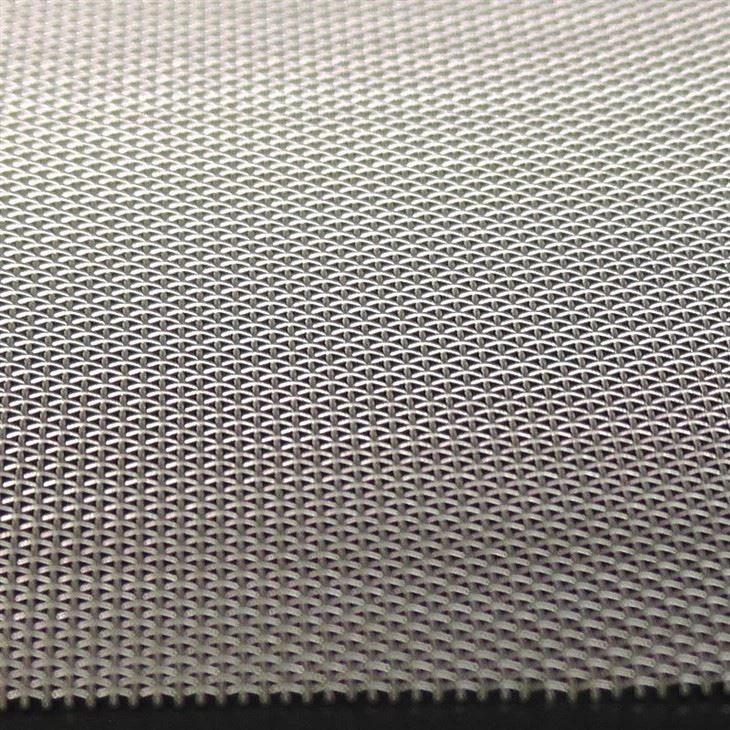
Known for its precision weaving process and wide range of applications, woven wire mesh is a highly intricate and versatile material. Weaving metal wires together in a similar manner to weaving cloth results in a mesh with uniform openings and a flat surface. A stable and consistent pattern is formed by interlacing longitudinal (warp) and transverse (weft) wires at right angles. This process allows for a variety of weave patterns, including plain weave, twill weave, and Dutch weave, each offering distinct characteristics.
Material
Determine the material suitable for your needs—common options include stainless
steel, aluminum, brass, or various alloys. Consider factors like corrosion
resistance, strength, and conductivity.
Mesh Size
The mesh size refers to the number of openings per linear inch. Smaller mesh sizes
offer higher filtration or finer sieving capabilities, while larger mesh sizes
provide better airflow or visibility.
Wire Diameter
This impacts the mesh’s strength and durability. Thicker wires offer more strength but may reduce flexibility and filtration precision.
Weave Type
Different weave patterns (plain, twill, and Dutch) offer distinct properties like strength, filtration efficiency, and support for specific applications.
Application Requirements
Consider the intended use of wire mesh for filtration, screening, reinforcement, or decorative purposes in regarding to choose the appropriate mesh type.
5 Practical Ways To Use Wire Mesh
Pest Control
Wire mesh is a great product to have in and around your home for a variety of
fencing and security purposes. From keeping pesky pests out of your tomatoes to
alleviating itches with mosquito screens, metal mesh is a great option to construct
pest control panels and fencing.
Concrete Reinforcement
Wire mesh is a steel, welded wire construction material that’s commonly used in the
production of reinforced concrete slabs, sidewalks, and floors. It provides
reinforcement and helps prevent cracking during temperature changes and while the
concrete sets. When used for pouring concrete, the wire mesh is laid down before the
concrete gets poured. The wire mesh is usually one layer of a two-dimensional grid
that runs along the length and width of the poured concrete, but not the height.
Kitchen Utensils
Wire mesh can be used in a variety of different places all within your kitchen.
Whether you’re in a commercial kitchen or just need to make some mac and cheese for
the kids, wire mesh can be used in many cooking applications. Wire mesh is a great
material for wire mesh strainers. When you need to rinse your rice or beans, a wire
mesh strainer can be used to hold your ingredient while allowing water to filter
through to your drain. In mentioning drains, stainless steel strainers are often
used in sinks, showers, and bathtubs. In using the same process as rinsing your
food, a stainless steel strainer in your kitchen sink can catch food scraps from
entering your drainage system, eliminating potential blockage.
Outdoor Activities
In the backyard, wire mesh can be extremely useful. Not only can you create your own
bird feeder with wire mesh but you can use the same material as edging along
flowerbeds, to build a chicken coop, or create your own personal compost bin. In
both cases of building a bird feeder and a compost bin, you will create a
cylindrical shape with your wire mesh of choice. The opening size for your wire mesh
will be important in both keeping your bird seed and your compost items inside your
container. For both applications, galvanized steel works well, as the galvanized
coating is made of zinc, which helps prevent water and other corrosive elements from
interacting with the steel.
Fire Safety
Stainless steel wire mesh can make a significant impact in your home, as both a
decorative asset and a useful one. In the case of fireplace screens, wire mesh is an
excellent choice. With different alloy options available to match your decor,
fireplace screens prevent sparks from jumping out on your carpet and furniture while
also offering heat control and visibility to still enjoy your fire.
How to Maintain Wire Mesh
Regular Inspection
Regular inspection is an essential part of wire mesh maintenance to ensure its
optimal performance and longevity. During the inspection, you should check for
signs of wear and tear, rust, and damage. This helps to identify potential
issues early, preventing them from developing into more significant problems
that could result in costly repairs or replacements. During the inspection, it’s
essential to check for any broken or bent wires, as well as any signs of
corrosion or rust. If you notice any of these issues, it’s important to take
corrective action immediately, such as repairing or replacing the affected
areas.
An Instant Removal Of Rust
Rust is a common issue that can affect wire mesh, but it can be removed quickly
with the right tools and techniques. An instant removal of rust is essential to
prevent it from spreading and causing further damage to the wire mesh. One
effective way to remove rust from wire mesh is by using a wire brush or abrasive
pad. Simply scrub the affected area with the brush or pad until the rust is
removed. Another option is to use a rust remover solution, which can dissolve
the rust and make it easier to remove.
Regular Cleaning
Regular cleaning is an essential part of wire mesh maintenance to keep it in
optimal condition. Cleaning helps to remove dirt, debris, and other contaminants
that can clog the mesh and reduce its effectiveness. The cleaning method you use
will depend on the type of wire mesh you have and the level of contamination.
For light dirt and debris, a simple hosing down with water can be effective. For
more stubborn dirt, you can use a mild detergent solution and a soft-bristled
brush to scrub the mesh gently.
Suitable Cleaning Solutions
When cleaning wire mesh, it’s important to use suitable cleaning solutions to
avoid damaging the mesh. The best cleaning solution to use will depend on the
type of wire mesh and the level of contamination. For light dirt and debris,
water alone can be effective. However, for more stubborn dirt, a mild detergent
solution can be used. It’s important to avoid using harsh chemicals or abrasive
cleaning tools that can scratch or damage the wire mesh.
Soft Brush Usage
Using a soft brush is an effective and gentle way to maintain wire mesh. A soft
brush is ideal for removing dirt, debris, and other contaminants that can clog
the mesh and reduce its effectiveness. When using a soft brush to clean wire
mesh, it’s important to choose a brush with bristles that are gentle enough to
avoid scratching or damaging the mesh. A soft-bristled toothbrush or a
non-abrasive cleaning brush is ideal for this purpose.
Afterward Checking
After cleaning and maintaining wire mesh, it’s important to perform a thorough
check to ensure that the mesh is in optimal condition. This involves inspecting
the mesh for signs of damage, wear and tear, and other issues that could
compromise its effectiveness. Check the wire mesh for any broken or bent wires,
as well as any signs of corrosion, rust, or other damage. If you find any
damaged areas, it’s important to repair them promptly to prevent further damage
and to ensure the wire mesh continues to function effectively.
Filtration and Separation:Wire mesh is widely used for filtration purposes in industries such as chemical processing, oil and gas, water treatment, food and beverage, and pharmaceuticals. It is used to filter out impurities, separate solids from liquids or gases, and control particle size.
Screen Printing:Fine wire mesh is used in screen printing applications for transferring ink onto various substrates. It provides a stable and consistent printing surface, making it ideal for applications in textiles, ceramics, electronics, and more.
Architectural and Decorative Uses:Wire mesh is utilized in architectural applications for its aesthetic appeal and functional properties. It is used in facades, balustrades, partitions, wall cladding, and interior design elements to add a modern and stylish touch to buildings.
Animal Enclosures and Fencing:Wire mesh is commonly used in animal enclosures, zoos, farms, and agricultural settings to create secure and durable fencing. It provides visibility, airflow, and containment for animals while ensuring safety and security.
Industrial Screens and Sieves:Wire mesh screens are used in industrial settings for grading, sorting, and separating materials. Industries such as mining, quarrying, construction, and recycling use wire mesh screens for various applications.
Safety and Protection:Wire mesh is employed for safety purposes in industrial environments. It is used as machine guards, safety barriers, conveyor belt guards, and protective enclosures to ensure worker safety and prevent accidents.
Insect Screens:Wire mesh is commonly used in window screens, door screens, and ventilation systems to keep insects and pests out while allowing fresh air to flow through. It helps maintain a comfortable indoor environment while preventing unwanted intruders.
Automotive and Aerospace:Wire mesh is utilized in automotive and aerospace applications for its strength, durability, and heat resistance. It is used in filters, vents, grilles, and reinforcement components to provide protection, airflow, and structural support.
Industrial Safety:Wire mesh is used for industrial safety applications such as machine guarding, safety enclosures, and protective barriers. It helps prevent accidents and injuries in manufacturing and industrial settings.
Landscaping and Gardening:Wire mesh is used in landscaping and gardening for applications such as fencing, trellises, plant supports, and compost bins. It provides structural support, containment, and aesthetic appeal in outdoor spaces.
Factory pictures