
Wire Mesh In Various Alloys
YONGLV WIRE MESH : Your Professional Wire Mesh In Various Alloys Manufacturer !
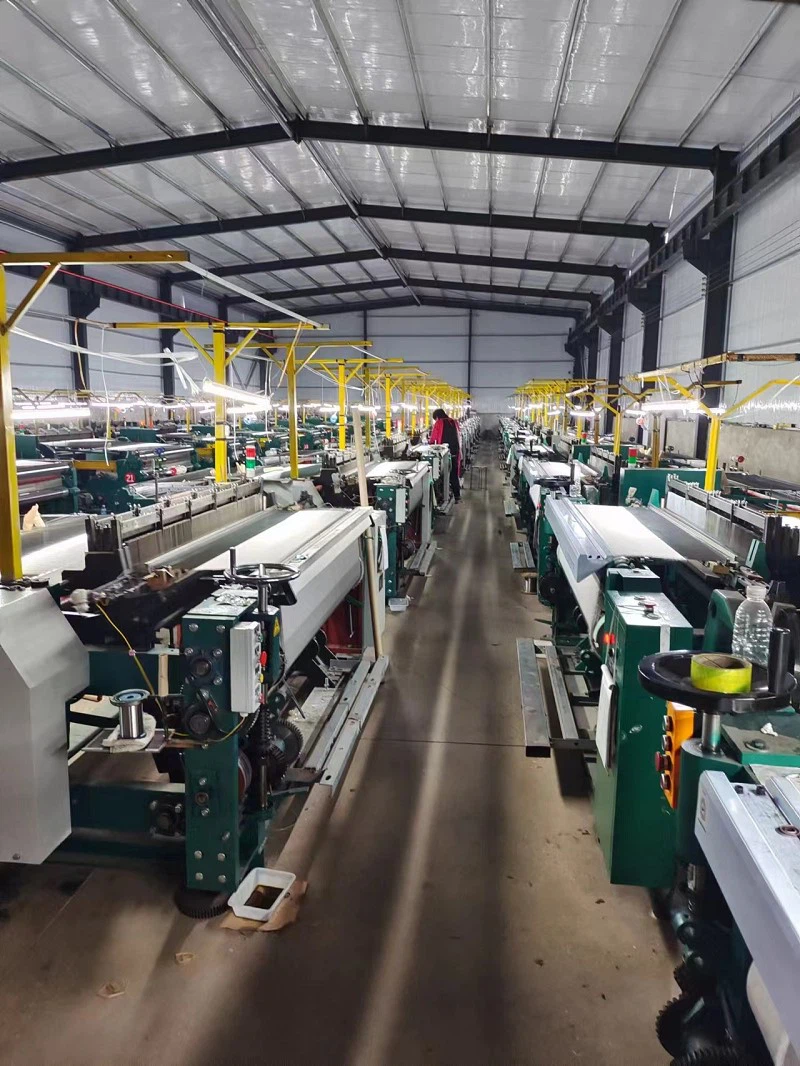
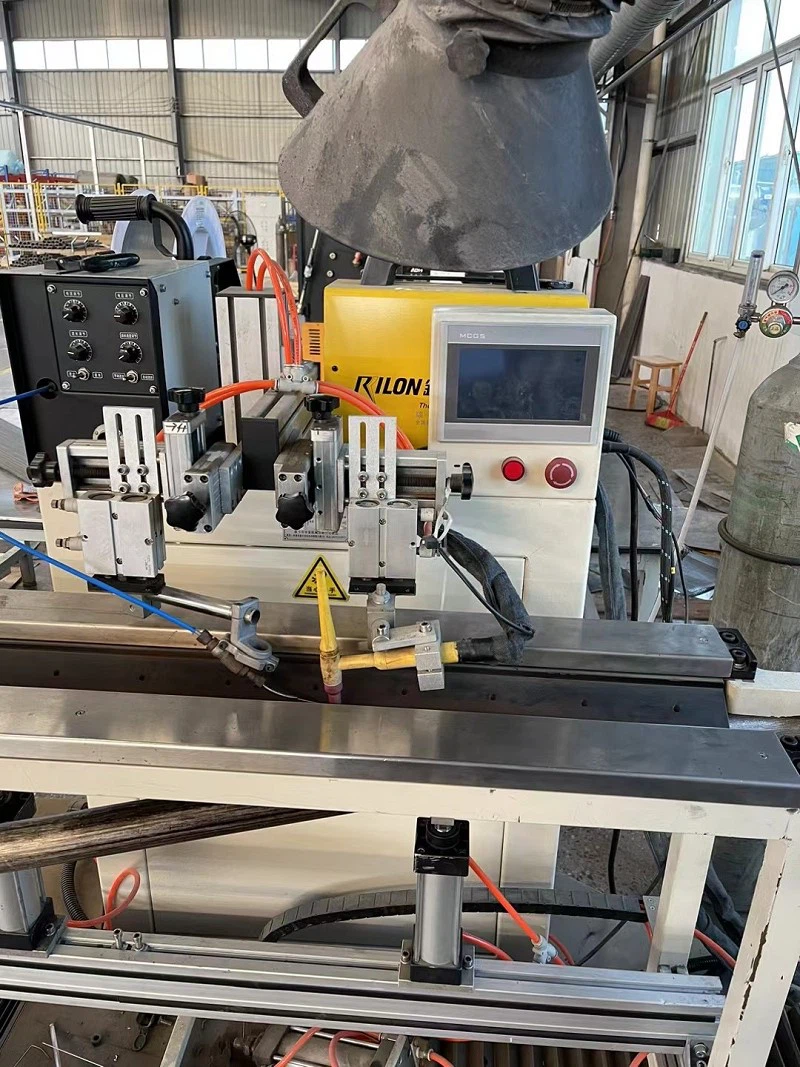
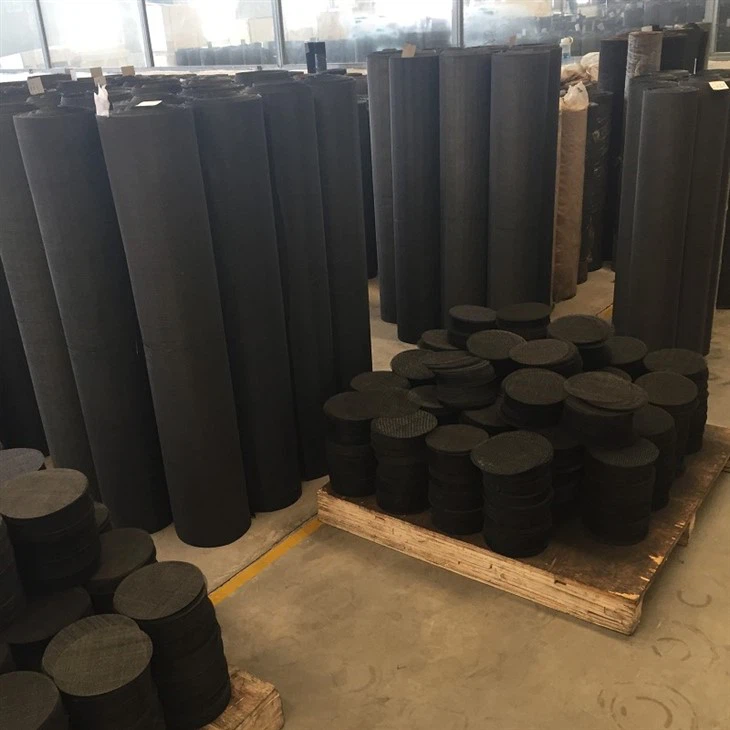
Our company has a development history of more than 10 years, and the factory covers an area of 2,500 square meters. We have 50 fully CNC wire mesh knitting machines and more than 20 CNC filter manufacturing machines including multiple filter welding equipment, with an annual output value of US$10 million. Our products can be exported to nearly 20 countries.
Complete Equipment
With a factory covering an area of 2500 square meters. We have 50 fully CNC wire mesh weaving machines and more than 20 CNC filter manufacturing machines include multiple filter welding equipment.
Rich Experience
We have 50 fully CNC wire mesh knitting machines and more than 20 CNC filter manufacturing machines including multiple filter welding equipment, with an annual output value of US$10 million and exported to nearly 20 countries.
Rich Products
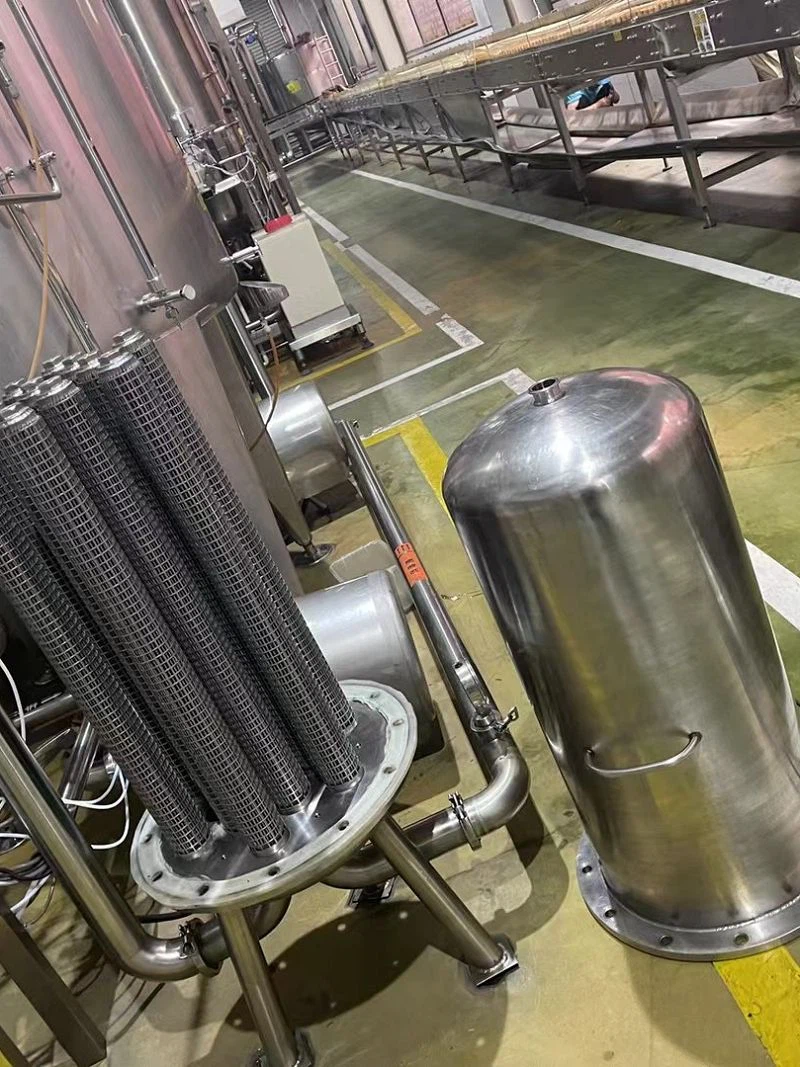
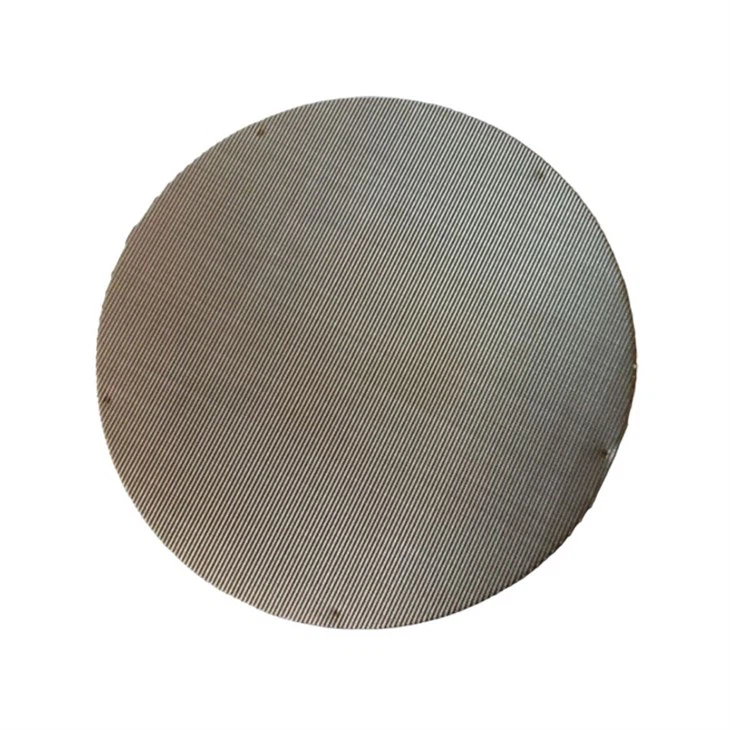
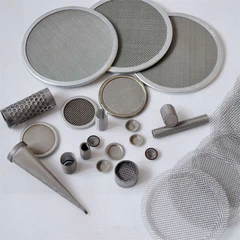
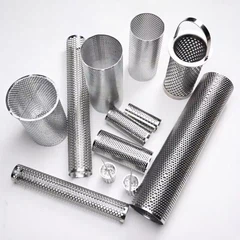
Our company can produce high-quality stainless steel sintered filters, perforated filters, wire mesh filter tubes, barbecue mesh, perforated smoke tubes, 304 stainless steel wire mesh, 316 stainless steel wire mesh, etc.
Products Widely Used
The products produced by our company can be widely used in PET bottle recycling, PET sheet manufacturing, spunbond non-woven fabric manufacturing, plastic recycling, polyester oriented yarn, fully drawn yarn, staple fiber yarn and solid and liquid filtration systems.


What is Wire Mesh In Various Alloys
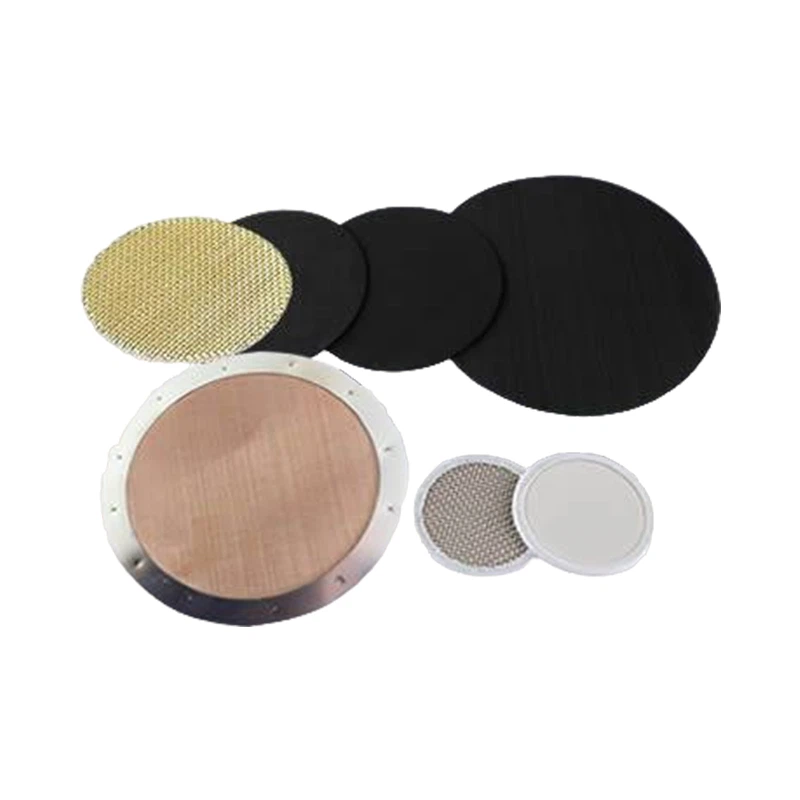
Wire mesh is available in a wide variety of alloys, each offering unique properties that make them suitable for different applications. The choice of alloy depends on factors such as the required strength, corrosion resistance, electrical conductivity, thermal stability, and cost. Our products also include low carbon steel wire mesh, brass wire mesh, copper wire mesh, etc.
Easy To Maintain
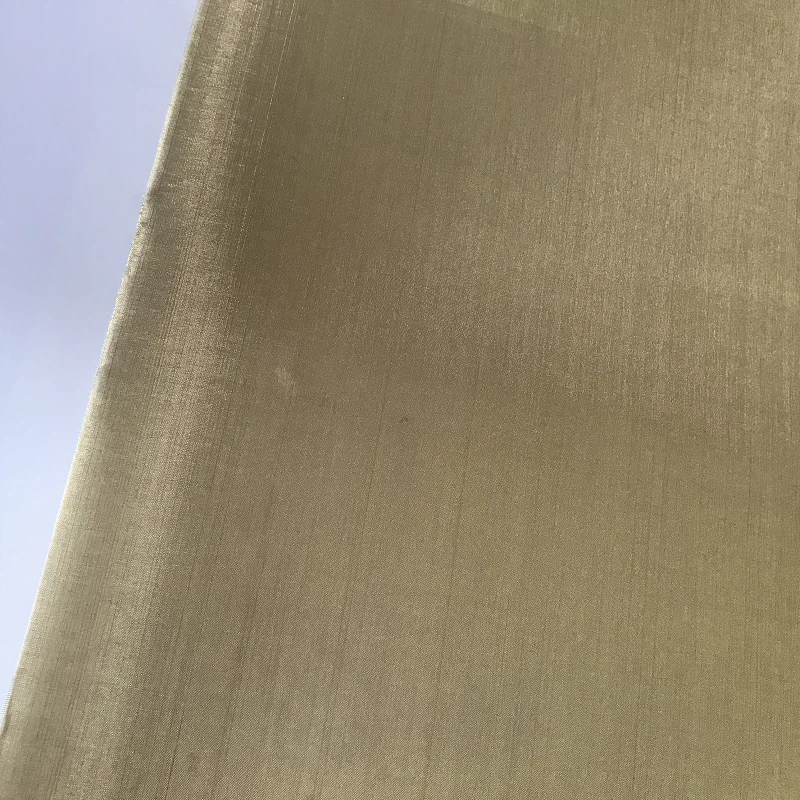
When you get a Brass Wire Mesh, you will not have to put much time or effort into painting or maintaining it. Since they are highly durable, Brass Wire Mesh can help you save the fatigue and trouble of regular maintenance.
Quick and Simple Installation
The installation process of the Brass Wire Mesh is speedy and easy. You can easily find several proprietary connection accessories that help you with the installation process while significantly improving its efficiency.
Customizable
You can find several specifications and varieties of Brass Wire Mesh. Depending on your project’s requirements and application, you can either have a more functional or aesthetically pleasing wire mesh custom-built.
They Offer Safety
Environmental protection and safety are among the top reasons why people often choose wire mesh. They are harmless to animals and people and do not cause significant injuries like steel and iron fences do. Some examples of stainless-steel wire mesh are poultry cages, aisle fences, porch fences, drainage troughs, rodent nets, mechanical protective covers, grid frames, and livestock and plant fences.
Types of Brass Wire Mesh
Plain Brass Wire Mesh
Made from brass wires that are woven together in a simple pattern, plain brass wire mesh is commonly used for general purposes such as screening, filtration, and decorative applications.
Square Brass Wire Mesh
Characterized by square openings, this type of mesh is known for its uniformity and is often used for applications requiring precise sizing, like window screens and insect barriers.
Rectangular Brass Wire Mesh
Similar to square mesh but with rectangular openings, this type is used when the dimensions of the opening are more critical than the uniformity of the pattern, such as in certain types of filtration.
Hexagonal Brass Wire Mesh
With hexagon-shaped openings, this mesh provides a unique look and is used for decorative purposes as well as for applications where the shape of the opening is important, such as in some types of packaging.
Dutch Weave Brass Wire Mesh
Also known as Twilled Dutch Weave, this mesh features a distinctive diagonal pattern created by crossing the wires over each other. It is stronger than plain weave mesh and is often used for heavy-duty applications.
Welded Brass Wire Mesh
Instead of being woven, the wires are welded together at the intersection points. Welded mesh is more durable and less likely to unravel than woven mesh, making it suitable for applications that require higher strength and security, such as reinforcement in concrete or fencing.
Expanded Brass Wire Mesh
Created by stretching flat brass wire until it becomes a mesh-like structure, expanded metal offers a unique look and is often used for architectural purposes, grating, and filtration.
Brass Crimped Wire Mesh
This type of mesh has been compressed or crimped along its length, creating a textured surface. It is used for applications where extra grip or a decorative finish is desired.
Perforated Brass Wire Mesh
While not strictly a wire mesh in the traditional sense, perforated metal sheets have punched holes and can serve similar functions. They are used for applications requiring precise hole patterns and uniformity, such as in speaker grilles or screen printing.
Application Requirement
Don’t forget the intended use of wire mesh for filtration, screening, reinforcement, or ornamental functions when choosing the appropriate mesh type.
Material
Decide the material suitable to your wishes. Not unusual options for making metal mesh encompass chrome steel, aluminum, brass, or various alloys. recall factors like corrosion resistance, power, and conductivity.
Weave Type
Specific weave patterns (plain, twill, and Dutch) provide wonderful houses like electricity, filtration performance, and support for precise packages.
Quality Assurance
Test for certifications or requirements of compliance with the wire mesh; a first-class guarantee guarantees durability, energy, and overall performance as per enterprise standards.
Price Comparison
Compare charges from specific providers to make certain you are getting an aggressive price without compromising on the fine. Recollect extra charges like delivery or customization charges.
Budget
Decide on a financial range ahead. Special materials and weaves include various fees. Balancing excellence and cost is important to meeting your venture necessities without overspending.
Customization Options
Determine if customization alternatives (together with length, shape, or other particular requirements) are to be had. A few initiatives may require wire mesh solutions.
Supplier Reputation
studies the recognition and reliability of the provider. Evaluations, testimonials, and their track record of delivering fine merchandise can influence your choice.
Delivery Time
Inquire about delivery timelines. Depending on your project’s urgency, make certain the provider can meet your required shipping schedule to avoid delays.
After-Sale Support
Inquire about warranties, return guidelines, and after-income offerings. A reliable dealer ought to provide assistance in case of issues post-purchase.
How to Maintain Brass Wire Mesh
Cleaning
Dust and dirt should be removed regularly. For light soiling, use a soft brush or a vacuum cleaner with a brush attachment. For more stubborn dirt or residues, wash the mesh with warm soapy water using a non-abrasive detergent. Rinse thoroughly and allow it to dry completely.
Polishing
To restore the brass's shine, you can use a commercial brass polish or a mixture of vinegar and salt. Apply the polish with a soft cloth, following the grain of the wire. Buff with a clean, dry cloth until the desired sheen is achieved.
Protection
After cleaning and polishing, applying a clear lacquer or sealer can help protect the brass from tarnishing and further oxidation. This is particularly beneficial for outdoor applications or areas prone to moisture and corrosive substances.
Inspection
Regularly inspect the brass wire mesh for signs of damage, such as bent wires, rust, or wear. Promptly repair or replace any damaged sections to maintain the mesh's effectiveness and structural integrity.
Storage
When not in use, store the brass wire mesh in a dry place away from direct sunlight and harsh chemicals. Covering it with a dust cover or placing it in a sealed container can help keep it free from dust and potential corrosive elements.
Avoid Harsh Chemicals
Cleaning products that contain ammonia, chlorine, or other strong chemicals can damage the finish of brass. Always check the cleaning product's label and avoid those that are not safe for use on brass.
Rust Removal
If brass wire mesh does develop rust, remove it gently with a fine-grit sandpaper or a wire brush. After removing the rust, clean and polish the area as described above to prevent further corrosion.
How To Calculate Brass Wire Mesh Size
Micron Rating
This is a measurement of the mesh’s pores or openings, usually expressed in microns (µm). Filtering applications require it as it specifies the maximum particle size that the mesh allows to pass through, essential for precise retention or permitting of certain particles.
Aperture
The size of each individual opening in the wire mesh is referred to as the aperture. Usually, the clear opening between the wires or the distance between the centers of two neighboring wires is used to quantify it. This measurement is essential to confirming that the mesh is appropriate for certain materials or chemicals to flow through.
Mesh Number
The mesh’s openings or apertures per linear inch are indicated by this number. The fineness and capacity of the mesh to filter or separate materials according to size are determined in part by the mesh number.
Wire Diameter
Measured as the total thickness of the wire, the wire mesh’s diameter is another crucial factor in determining its length. A thicker mesh will result from the use of thicker wires. Millimeters (mm), or inches, are used to measure the diameter of the wire.
Applications of Brass Wire Mesh Size
Construction
Brass Wire Mesh is indispensable to the construction of sturdy and strong structures. It adds tensile energy and prevents cracking, particularly in sidewalks, driveways, and foundations.
Filtration and Sieving
In industries like meal processing and mining, Brass Wire Mesh displays are used for filtration, separating solids from beverages or gases, and sieving materials based on particle size.
Agricultural Use
Brass Wire Mesh unearths large software in agriculture for fencing, animal enclosures, and as a shielding barrier for crops against animals or pests.
Household
In houses, Brass Wire Mesh is used for window screens, sieves in kitchens, as protection barriers on balconies or staircases, and even for crafting functions due to its malleability.
Art and Layout
Artists and architects frequently make use of Brass Wire Mesh for sculptures, ornamental factors, or as a medium for innovative installations due to its flexibility and structural integrity.
Security and Safety
Brass Wire Mesh is hired for safety purposes, including creating protective boundaries around touchy regions, securing home windows, or forming walls in industrial or business spaces.
Automobile and Aerospace
Brass Wire Mesh is utilized in these industries for numerous programs, along with filtration, reinforcing materials, or as part of complex designs in car additives.
What is Copper Wire Mesh
Copper wire mesh is a fabric made from interwoven copper wires, which can vary in diameter and density depending on the application. It combines the excellent electrical conductivity, thermal conductivity, and corrosion resistance properties of copper with the structural integrity provided by the mesh configuration. The mesh is manufactured using a variety of techniques, including weaving, welding, knitting, and braiding.
Features Of Copper Wire Mesh
Filtering and Sieving
Copper wire mesh is widely used in the filtration and sieving processes. Its fine mesh structure allows for effective separation of particles and impurities. Whether it is for industrial or laboratory applications, copper wire mesh filters offer excellent durability and reliability.
Electrical Conductivity
One of the key advantages of copper wire mesh is its high electrical conductivity. This makes it an ideal material for various electrical applications, including grounding, shielding, and electrical circuitry. Copper wire mesh ensures efficient and reliable electrical connections while minimizing resistance and signal loss.
Heat Transfer
Copper has excellent thermal conductivity, making copper wire mesh an excellent choice for heat transfer applications. It is commonly used in heat exchangers, HVAC systems, and other applications where efficient heat dissipation is crucial. The open weave structure of the mesh allows for better airflow, enhancing the overall cooling efficiency.
EMI and RFI Shielding
Electromagnetic interference (EMI) and radio frequency interference (RFI) can cause disruptions in sensitive electronic equipment. Copper wire mesh acts as an effective shield against such interference. Its conductive properties help divert and absorb electromagnetic waves, protecting electronic devices from unwanted signals.
Applications of Copper Wire Mesh
In industrial settings, copper wire mesh is used for various applications such as conveyor belts, safety barriers, and machine guards. Its high strength and durability ensure long-lasting performance even in demanding environments. Copper wire mesh is also resistant to corrosion and chemical reactions, making it suitable for harsh conditions.
Copper wire mesh is a popular choice in architectural applications due to its aesthetic appeal and functional properties. It can be used as exterior cladding, sunscreens, room dividers, and façade elements. The mesh structure allows for natural ventilation and light transmission while adding a contemporary touch to building designs.
In medical and laboratory settings, copper wire mesh is utilized for various purposes. It can be used as a support structure for tissue cultures, filtration in laboratory equipment, or even as an implant material. Copper's antimicrobial properties also make it suitable for medical applications where hygiene is crucial.
Copper wire mesh plays a vital role in renewable energy applications, particularly in solar panels and wind turbines. It is used as a conductor within the panels, allowing for efficient energy conversion and transmission. Copper's high conductivity and durability make it an ideal choice for these sustainable energy systems.
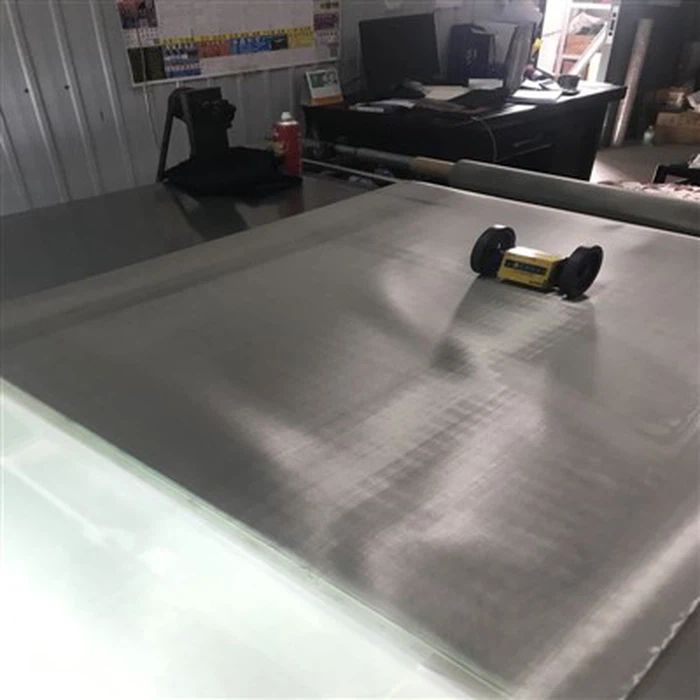
Nickel wire mesh is a type of metal fabric constructed from interlaced nickel wires. This mesh is known for its high strength, ductility, and resistance to corrosion, which makes it suitable for applications where these characteristics are essential. The manufacturing process typically involves either weaving or welding the nickel wires together to form a uniform grid.
Features Of Nickel Wire Mesh
Corrosion Resistance
Nickel is highly resistant to corrosion, especially against reducing acids and alkalis. This property allows it to be used in harsh environments where other metals would degrade over time.
Strength and Ductility
Nickel wire mesh is strong and ductile, meaning it can withstand significant stress without breaking and can be drawn into thin wires. This combination of properties enables the mesh to be used in applications that require both flexibility and durability.
Thermal and Electrical Conductivity
While not as conductive as copper or aluminum, nickel still possesses good thermal and electrical conductivity. This feature is important in applications where both strength and conductivity are needed, such as in heat exchangers and certain types of electrical components.
Magnetic Permeability
Nickel is mildly magnetic, which can be advantageous in applications that require the mesh to interact with magnetic fields, such as in separation processes or as a component in sensors.
Applications of Nickel Wire Mesh
Filtration
Nickel wire mesh is commonly used in filtration systems for separating solids from liquids or gases. Its durability and resistance to corrosion make it ideal for use in harsh chemical processing environments.
Petrochemical Industry
In oil refineries and chemical plants, nickel wire mesh serves as a filter medium to remove impurities from fluids and gases. It is also used in heat exchangers due to its ability to withstand high temperatures and resist corrosion.
Automotive Industry
The mesh is used in catalytic converters within exhaust systems to promote the reduction of toxic emissions. Its resistance to high temperatures is crucial for this application.
Electronics and Telecommunications
Because of its electrical conductivity, nickel wire mesh can be found in electronic components and enclosures as a shielding material to prevent electromagnetic interference (EMI).
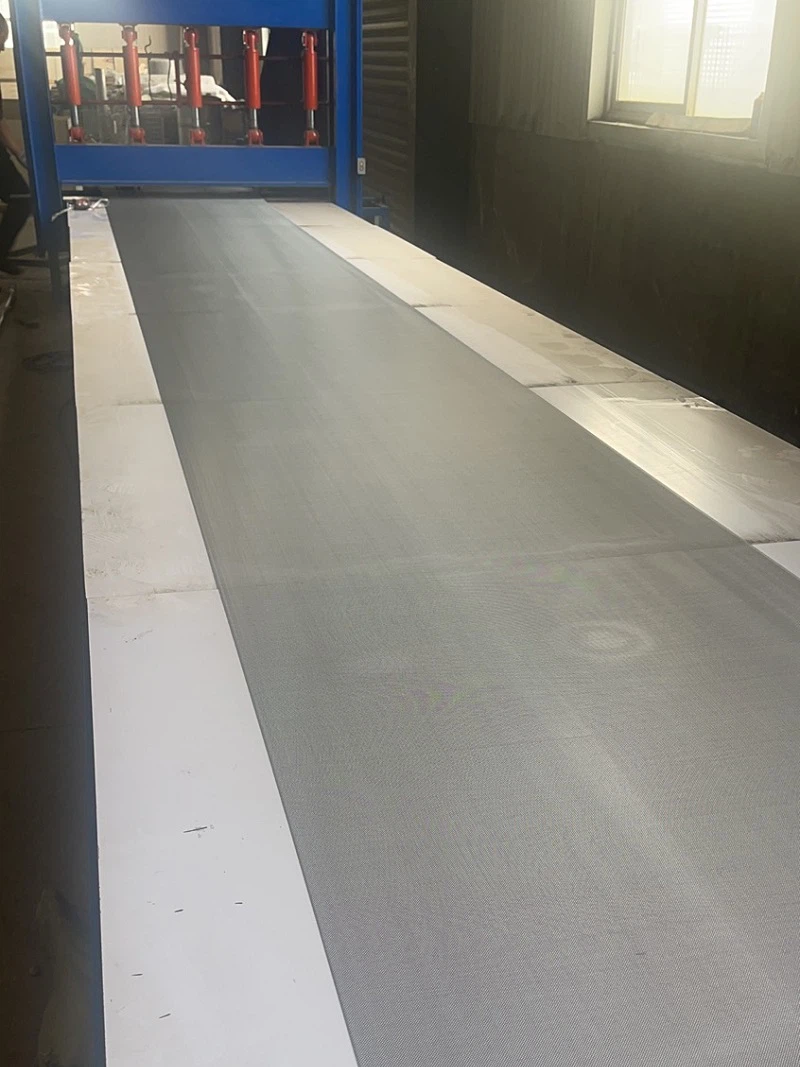
Factory pictures